Mississippi pot roast turns a short shopping list into a deeply savory dinner. It is a Southern-style slow-cooker roast with plenty of richness and very little hands-on preparation.
Five main ingredients go into the crockpot, then a long, gentle cook turns the beef tender. The buttery cooking juices are as much a reason to make it as the roast itself.
Serve it for a family dinner, a relaxed gathering, or an evening when a comforting meal sounds especially welcome.
Below, you will find the original five-ingredient combination, each cooking step, and practical ways to adjust the saltiness. There are also serving ideas and variations for making the most of the finished roast.
What Is Mississippi Pot Roast and Why Is Everyone Obsessed?
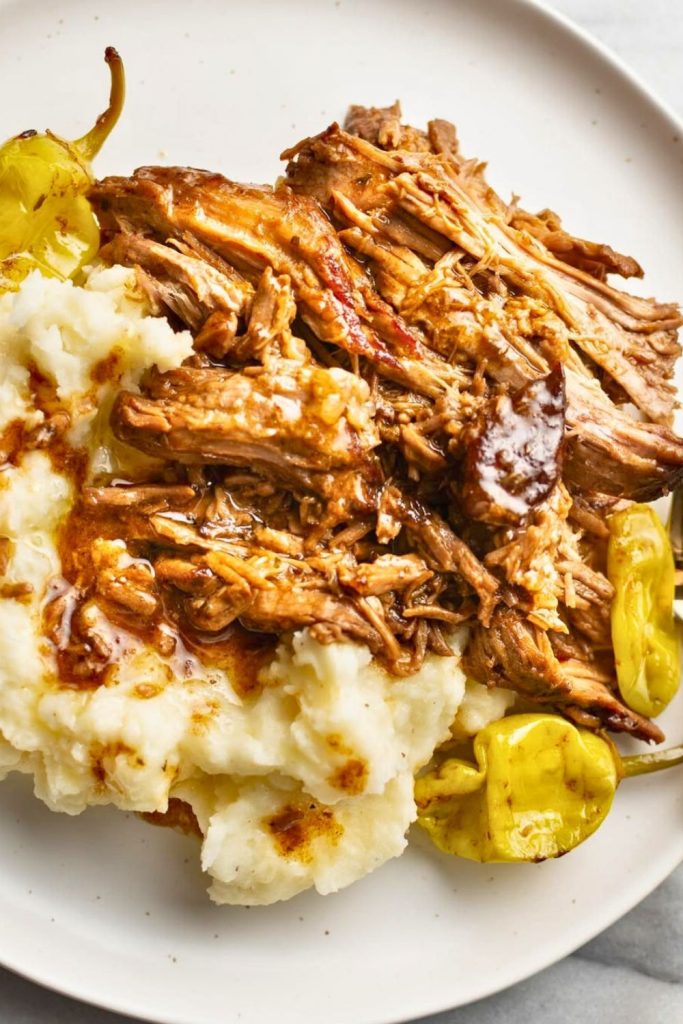
Mississippi pot roast takes a different approach from a beef roast surrounded by carrots and potatoes. Its signature flavor comes from seasoning packets, butter, and pickled peppers.
The appeal is straightforward: five ingredients, no required chopping, and no preliminary browning. Most of the work happens in the slow cooker.
Add the ingredients, cover the pot, and let the beef cook until it separates easily into juicy strands. The seasonings blend with the released juices as it cooks.
The ingredient combination is what makes this roast stand out from a more conventional pot roast.
Along with the beef, you will use:
- Dry ranch dressing seasoning
- Packaged au jus gravy seasoning
- Whole pepperoncini with some of their pickling liquid
- One stick of unsalted butter
The basic version needs no added onions, carrots, fresh herbs, or broth. Instead, the packets and pepper brine make a salty, tangy sauce, while the beef juices and butter provide body.
The dish is credited to Robin Chapman of Ripley, Mississippi, who adapted a family pot roast recipe to make it milder for her children.
The recipe later appeared in a church cookbook before spreading more widely as Mississippi roast.
Its popularity grew through recipe blogs and social media, where the unusually short ingredient list helped it attract attention.
What keeps people coming back to it?
The recipe brings together:
- A short preparation routine
- A small, familiar shopping list
- A largely unattended cook
- A distinctly tangy, savory finish
It is easy to see the appeal of a dinner that asks for so little preparation.
Ingredients You’ll Need
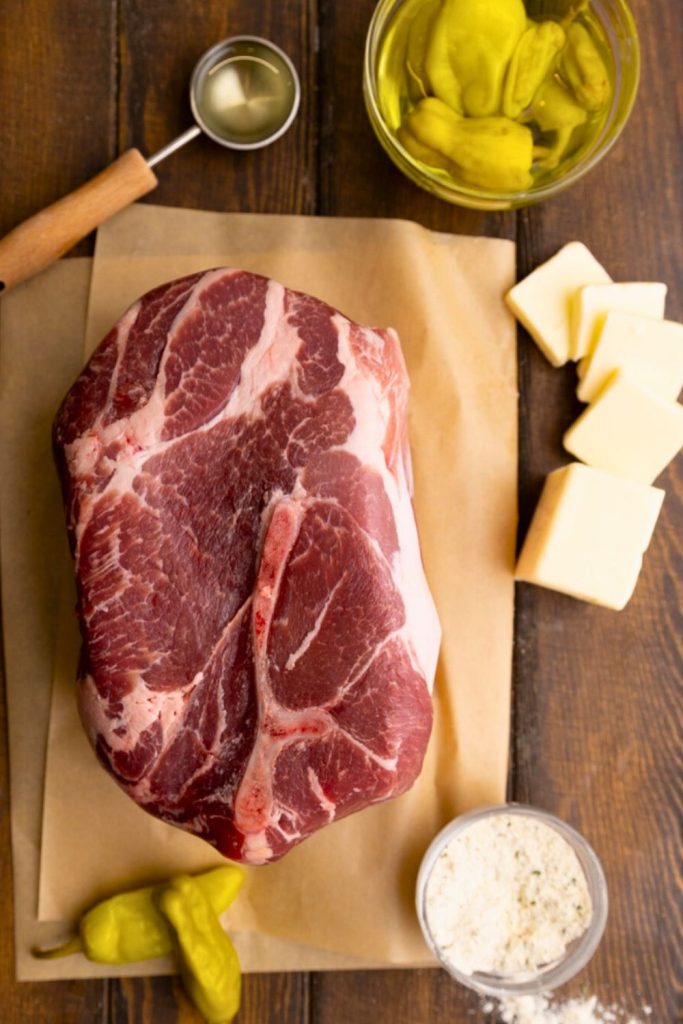
Each of the five ingredients has a specific role. Use the quantities below as your starting point, and check the seasoning notes if you prefer a less salty result.
| Ingredient | Amount | What It Does |
|---|---|---|
| Chuck Roast | 3 pounds | Marbled chuck softens during a long cook and separates into tender strands. |
| Ranch Dressing Mix | 1 packet (about 1 oz) | Supplies the garlic, onion, and herbal seasoning; brands vary in saltiness. |
| Au Jus Gravy Mix | 1 packet (about 1 oz) | Adds a concentrated beefy flavor to the cooking juices. |
| Pepperoncini Peppers | 10–12 whole + ½ jar brine | Pickled peppers provide acidity and a little heat; the brine also adds salt. |
| Unsalted Butter | 1 stick (½ cup) | Melts into the beef juices for a buttery sauce. |
A few ingredient notes:
- Pepper choice: Mild pepperoncini give the usual flavor, although even mild jars can have some heat. Choose a hotter variety if that is your preference.
- Beef cut: Chuck is the main choice here. Brisket or bottom round can be used, but their texture and cooking time may differ.
- For a smaller roast: With less than 3 pounds of beef, start with three-quarters of each seasoning packet to limit saltiness.
As the roast cooks, the butter, seasonings, and pepper liquid mingle with the beef juices. That is how this small collection of ingredients becomes tender shredded beef in a rich sauce.
Once everything is measured out, the remaining preparation is simply arranging it in the slow cooker. Allow plenty of time for the beef to soften.
Step-by-Step Instructions: How to Make Mississippi Pot Roast
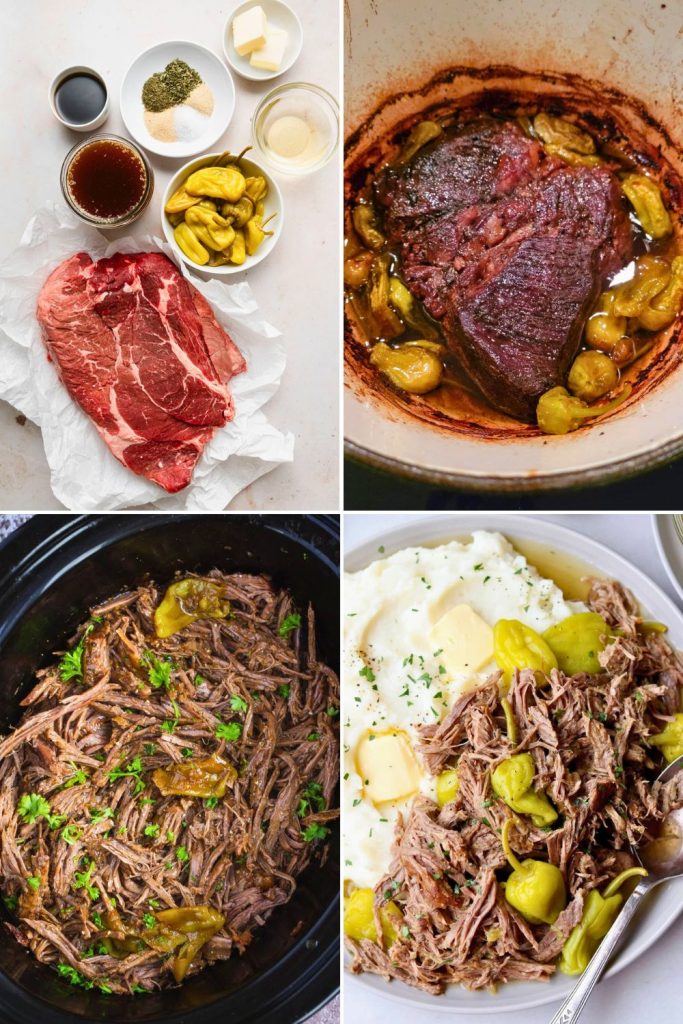
This is an approachable pot roast for a first attempt: no separate searing stage and no complicated preparation. A slow cooker and a chuck roast do most of the heavy lifting.
Follow the stages below in order, then use tenderness to judge when the roast is ready.
Step 1: Grab Your Crock Pot
Use a 6-quart slow cooker that comfortably holds the roast. Check the appliance instructions for suitable food quantities and safe operation.
A programmable model can help with timing, but begin cooking promptly after adding the ingredients. Keep the beef refrigerated until you are ready to prepare it.
✅ Capacity tip: If using a 4–5-pound roast or doubling the ingredients, check your cooker’s capacity and fill limits first. A larger batch may need more time.
Step 2: Add the Chuck Roast
Place a fully thawed, 3-pound chuck roast in the bottom of the cooker. This version does not require browning it first.
Chuck contains marbling and connective tissue that suit a long cook. With enough time, it becomes tender enough to pull apart rather than slice.
Before adding the remaining ingredients:
- Position the roast flat in the base of the cooker.
- Trim away any large, unwanted pieces of exterior fat.
- Leave out extra salt initially; the seasoning mixes and brine already contain plenty.
🧼 Handling reminder: Wash your hands after touching raw beef, and clean any utensils or surfaces it contacts.
Step 3: Sprinkle on the Seasonings
Next, build the seasoning layer over the beef.
Have these two packets ready:
- 1 packet dry ranch dressing mix
- 1 packet au jus gravy mix
Scatter both mixes across the upper surface of the roast. They do not need to be stirred in at this stage.
Ranch contributes herby, garlic-and-onion notes, while au jus seasoning supplies a beefy base. Both also season the liquid that collects around the roast.
👃 Flavor note: Ranch mixes vary by brand, so the balance of garlic, onion, and herbs will vary slightly too.
Step 4: Add the Pepperoncini Peppers and Brine
Now add the pickled peppers for contrast.
Choose mild jarred pepperoncini for a primarily tangy result. Their vinegar-based brine balances the richness, although the peppers can still carry a little heat.
For this version, add:
- 10–12 whole pepperoncini
- Half of the jar’s pepper brine
Distribute the peppers over the roast, then pour the brine around it. Jar sizes differ, so this recipe’s half-jar measure is not a fixed cup amount.
🔥 Adjusting the heat: Use hot pepperoncini or a little chili flake for more spice. For a gentler flavor, use fewer mild peppers and taste the brine first.
The amount is flexible, but 10–12 peppers and half the brine are the quantities used here. Adding substantially more brine will also increase the salt and acidity.
Step 5: Top with a Stick of Butter
Butter supplies the final layer of richness.
Set 1 stick of unsalted butter, or ½ cup, on top of the beef. There is no need to melt or mix it beforehand.
It will melt during cooking and combine with the seasoning and beef juices, giving the sauce a fuller, buttery texture.
🧈 To remove excess fat: Divide cooked leftovers into shallow containers and refrigerate promptly, within two hours. Once chilled, lift off the firm fat layer before reheating.
Step 6: Cover and Cook
With the ingredients in place, put the lid on and start cooking.
Use the following time ranges as a guide:
| Setting | Cook Time |
|---|---|
| Low | 8–10 hours; check for easy shredding |
| High | 5–6 hours; check for easy shredding |
Low suits an all-day cook; high is an option when you have less time. Either way, keep the lid closed as much as possible so the cooker retains its heat.
🕒 Timing note: The exact finish time depends on the cut, roast thickness, and cooker. A change of setting may change the cooking time, so check the beef rather than relying on the clock alone.
Step 7: How to Know When It’s Done
At the end of cooking, look for these signs:
- The beef pulls apart readily when tested with forks.
- The roast sits in well-seasoned cooking juices.
- The meat is tender throughout; aroma alone does not show that it is done.
Shred the tender roast with two forks in the cooker, removing any large remaining pieces of fat. Turn the strands through the juices so they are evenly coated. If the meat resists shredding, continue cooking.
🥄 Serving tip: Reserve the cooking liquid for spooning over potatoes, noodles, rice, or a sandwich. Taste it before adding any further seasoning.
What Does Mississippi Pot Roast Taste Like?
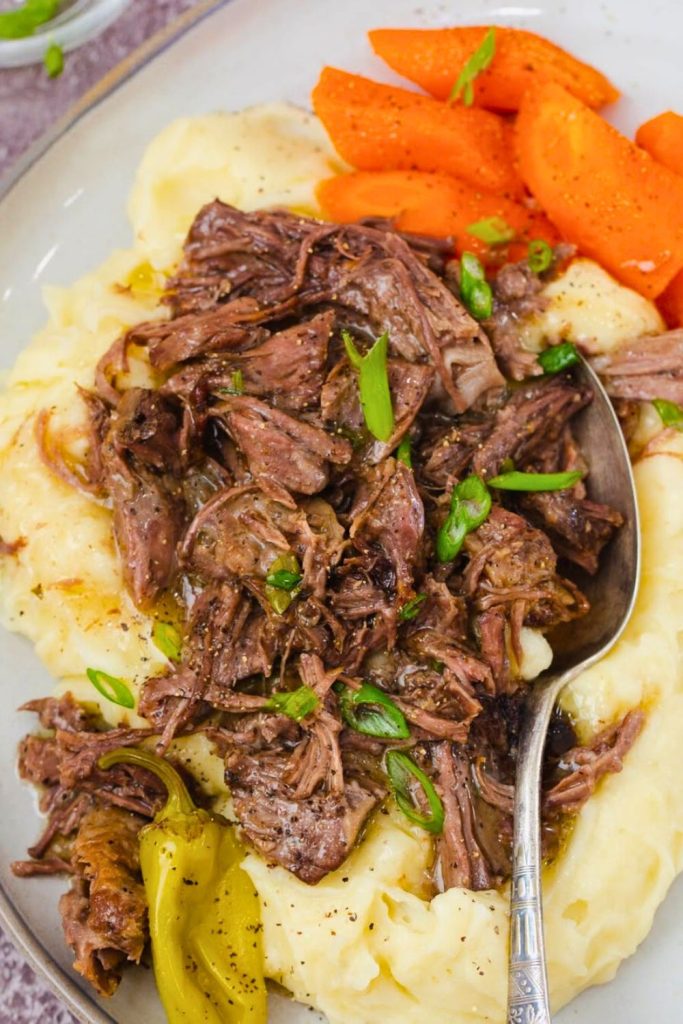
The finished roast has a recognizable balance of richness and tang.
Expect savory beef with a buttery sauce and a pickled-pepper edge. It works both as a traditional plated roast and as the filling for a hearty sandwich.
Here is what each flavor component contributes:
- Ranch seasoning: herbal notes with garlic and onion.
- Au jus seasoning: a concentrated, salty beef flavor.
- Pepperoncini: acidity that cuts through the rich cooking juices.
- Butter: a smooth finish and added richness.
Mild pepperoncini usually make this roast more tangy than hot, but spice levels differ between jars. It is better to check the peppers than to assume the dish will have no heat.
🎤 Tasting note: The seasoning should run through both the shredded meat and the sauce. If the brine tastes particularly sharp or salty, use the serving suggestions below to balance the plate.
The other defining feature is the soft, shreddable texture. Chuck’s marbling helps give the finished beef a rich bite after its long cook.
The flavor at a glance:
| Flavor Note | Description |
|---|---|
| Savory | The beef and au jus seasoning provide the savory base. |
| Tangy | Ranch seasoning and pickling liquid add a tangy edge. |
| Briny | The pepper brine contributes a salty, pickled note. |
| Rich & buttery | A full stick of butter enriches the cooking liquid. |
| Comforting | Soft shredded beef and warm sauce make a hearty meal. |
3 Best Ways to Serve Mississippi Pot Roast
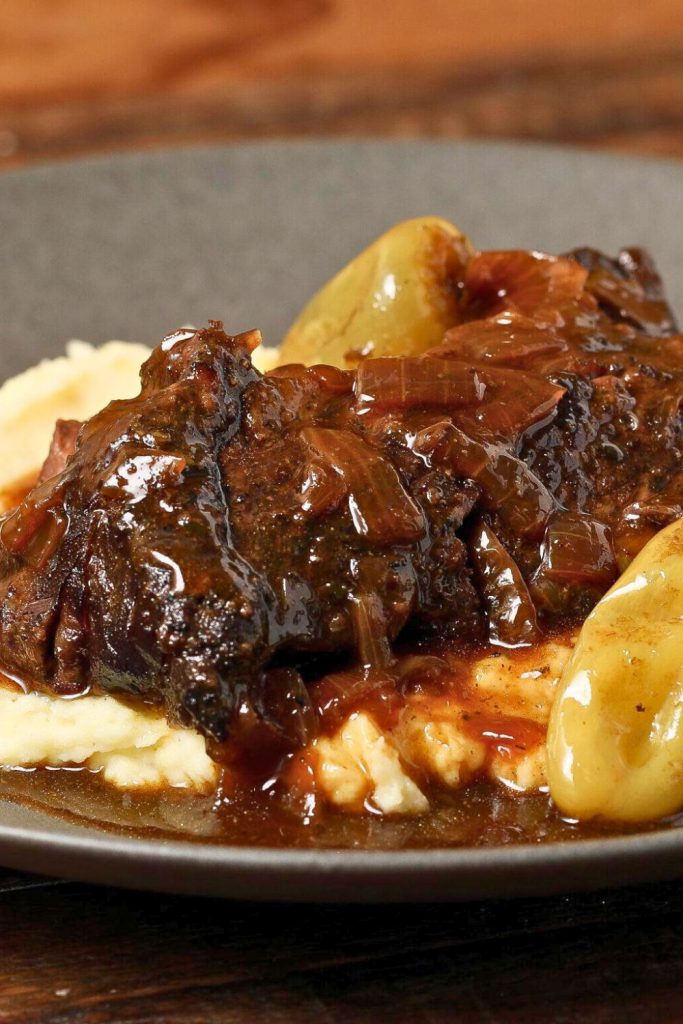
Once the beef is tender and mixed through its juices, it can anchor several different meals. Mississippi pot roast is particularly useful when you want to serve leftovers in a new way.
Keep the first meal simple with a familiar side, then use another portion for sandwiches or tortillas.
These three serving options are a good place to start:
1. Over Mashed Potatoes or Rice (The Classic Way)
Spoon the beef over mashed potatoes or rice and add some of the sauce. Both provide a mild base for the roast’s strong seasoning; add vegetables alongside if you like.
Why this pairing works:
- A mild starch softens the impact of the rich, salty sauce.
- Mashed potatoes hold the juices, giving each forkful a creamy base.
- Rice offers a simple alternative that is convenient for portioning into meals.
🍽 Seasoning tip: Keep the potatoes or rice lightly seasoned. The roast and its sauce will bring plenty of flavor to the plate.
2. In a Sandwich (The Party Favorite)
For a Mississippi pot roast sandwich, spoon the shredded beef into a toasted hoagie roll, slider bun, or brioche bun. Let excess liquid drain briefly so the bread does not become soggy.
Optional sandwich additions:
- Melted Swiss or provolone
- A spoonful of cooking juices, with more for dipping
- Extra pepperoncini for a sharper finish
Small buns turn the roast into sliders for a casual gathering. Serve pickles or coleslaw on the side for a crisp contrast to the soft beef.
3. As a Taco or Fajita Filling (The Tex-Mex Twist)
You can also tuck the shredded roast into tortillas for tacos or a fajita-style meal. Fresh toppings help balance the rich filling.
Try these accompaniments:
- Corn or flour tortillas, warmed before filling
- Sliced avocado or a spoonful of guacamole
- A few pickled red onion slices
- Fresh cilantro with lime wedges
- Sour cream or plain Greek yogurt for finishing
This keeps the same cooked beef useful for another meal without simply repeating the first plate.
Tips to Reduce Saltiness in Mississippi Pot Roast
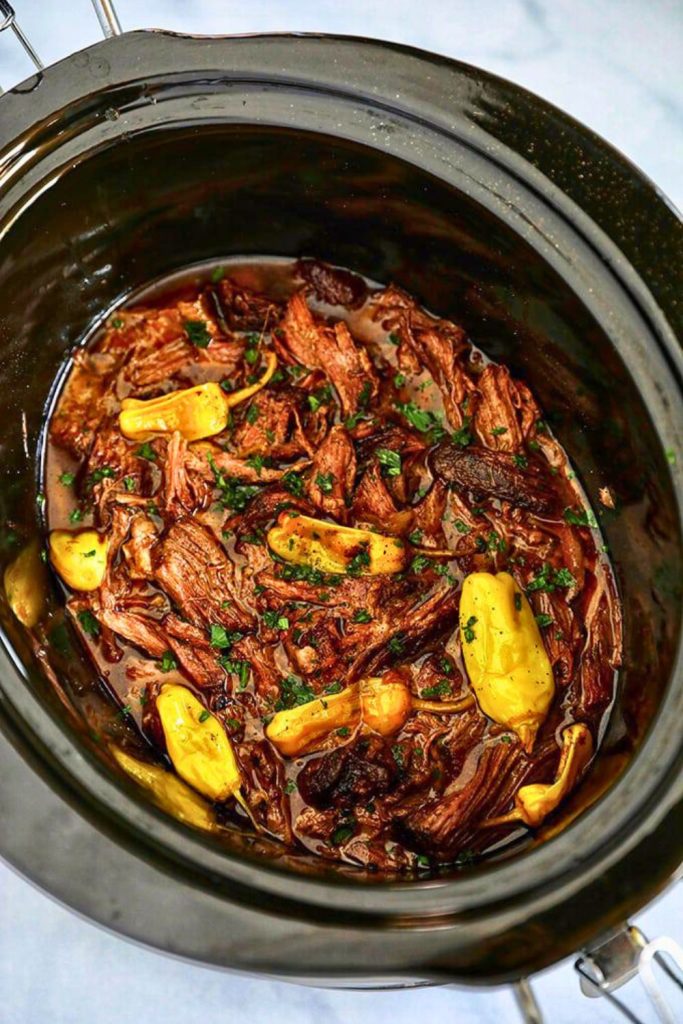
The packets and pepper brine can make Mississippi pot roast quite salty, especially with a small piece of beef. Butter adds richness, but it does not remove that salt.
Here are several ways to make the seasoning easier to balance:
1. Use Less of Each Seasoning Mix
For a roast weighing under 3 pounds, begin with ¾ of each packet. This keeps the same flavor combination while reducing the amount of added seasoning.
✂️ Measurement clarification: For a 2½-pound roast, use three-quarters of the contents of each packet—not ¾ tablespoon. Packet weights and spoon measures are not interchangeable.
2. Check for Reduced-Sodium Mixes
Compare labels for ranch and gravy mixes and choose a reduced-sodium option if available. Sodium levels can differ noticeably between products.
3. Keep the Accompaniments Mild
Serve the beef with plain rice, lightly seasoned mashed potatoes, or bread. These do not remove sodium from the roast, but they help balance its flavor in a mouthful.
Other mild sides to consider are:
- Simply roasted root vegetables
- Mashed cauliflower
- Egg noodles cooked without added salt
4. Include More Vegetables
Carrots, onions, or mushrooms add bulk and share the sauce across more ingredients. They do not remove salt from the pot, so still use care with the seasoning packets.
🥕 Extra benefit: The vegetables give the finished meal more variety and texture.
5. Remove Some Rendered Fat
For a less rich sauce, chill the cooked beef and juices in shallow containers promptly, then remove the hardened fat. This reduces fat, not salt; reheat the portion thoroughly before serving.
Mississippi Pot Roast Variations to Try
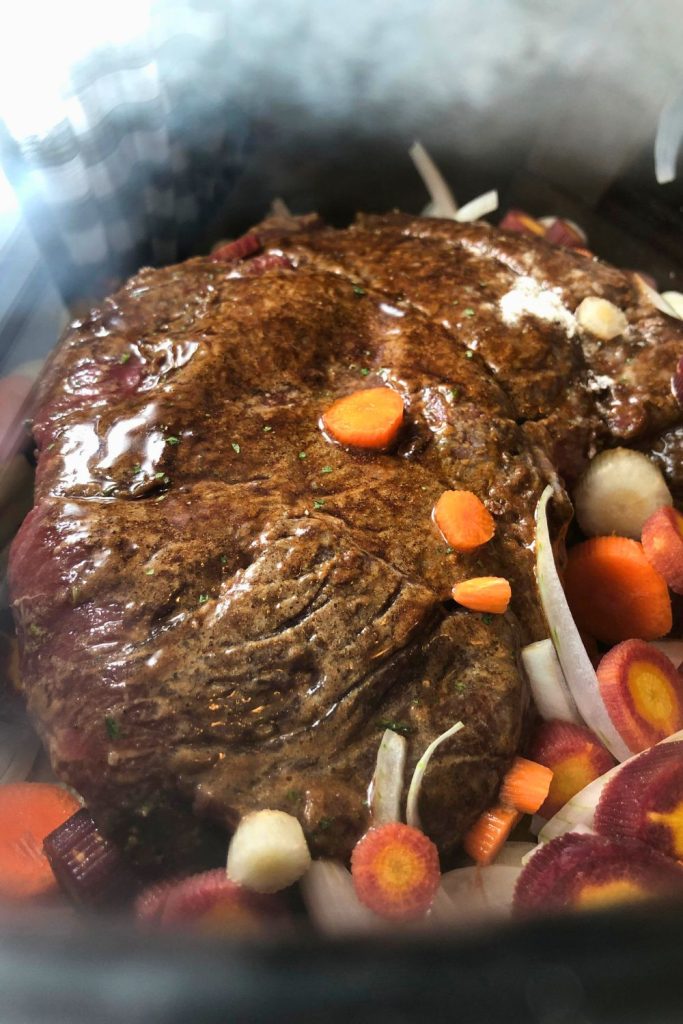
The variations below keep the same basic idea while changing the flavor or cooking approach. Dietary substitutions require checking all ingredient labels, not just changing one item.
| Variation | What to Change or Add |
|---|---|
| Spicy Pot Roast | Choose hot pepperoncini or add a little red chili flake for extra heat. |
| Creamy Pot Roast | Finish with ½ block of cream cheese or a spoonful of sour cream, stirring gently into the hot juices. |
| Garlic-Lovers Version | Include 3–4 garlic cloves or 1 teaspoon garlic powder for a stronger garlic note. |
| Veggie-Loaded Roast | Add sliced onions, carrots, or mushrooms; follow your slow cooker’s guidance for placing vegetables. |
| Gluten-Free Roast | Choose explicitly gluten-free ranch and au jus mixes and verify the remaining ingredient labels. |
| Low-Fat Version | Reduce or omit the butter and trim exterior fat; a leaner cut such as bottom round may be less juicy. |
| Oven-Baked Roast | Use a covered Dutch oven at 325°F, checking around 3–4 hours and continuing until fork-tender. Add liquid as needed to prevent drying. |
| Instant Pot Version | Use a pressure-cooker-tested pot roast method with the minimum thin liquid required by your model. Do not transfer this slow-cooker recipe unchanged; allow the specified natural pressure release. |
| BBQ-Style Pot Roast | Stir in a tablespoon of barbecue sauce, or use liquid smoke sparingly according to its label. |
| No Pepperoncini | Use pickled banana peppers for a similar tang, or omit the peppers for a milder, less acidic roast. |
Final Thoughts: Is Mississippi Pot Roast Worth the Hype?
Mississippi pot roast earns its place among easy comfort meals because a small amount of preparation produces a generous amount of savory beef.
Its main strengths are:
- Simple preparation without a required browning step
- A distinctive flavor from ranch, au jus, and pepper brine
- Shreddable beef after a long, gentle cook
- Flexible serving options, from a potato bowl to a sandwich
It is a useful recipe for days when you can plan ahead but do not want a long preparation session.
Whether you prefer weekend slow cooking or preparing portions for later, it offers a practical route to a hearty beef dinner.
Match the seasoning to the size of the roast and keep the sides mild if saltiness is a concern. Those small decisions make a noticeable difference to the finished meal.
Save the recipe for a day when the crockpot can handle the long cooking time. The same batch can provide several different serving possibilities.
Mississippi Pot Roast

Recommended Recipes You’ll Love
For more hearty dinner ideas after this roast, explore these recipes:
🥩 Easy Braised Beef Short Ribs for Sunday Dinner
Beef short ribs braise with stout and onions until tender, making a satisfying choice for a leisurely weekend dinner.
🍔 Best Sloppy Joes Recipe for Weeknight Dinners
These homemade beef sandwiches combine a savory-sweet sauce with an easy skillet method for a family meal.
🧅 Rich & Cheesy French Onion Soup Recipe
Caramelized onions and savory broth sit beneath toasted bread and melted cheese in this comforting soup.
Tell us how you served your roast or which variation you chose. If someone you know enjoys an easy slow-cooker dinner, share the recipe with them.
📌 Keep this recipe handy for your next slow-cooked Sunday meal.


Dana Brooks is a home-cooking writer at Feastbears, where she shares easy family recipes, cozy dinners, quick desserts, and beginner-friendly kitchen tips. Her goal is to make everyday cooking feel simple, warm, and enjoyable for busy home cooks.