
Roasted tomato soup is a dependable way to turn ripe tomatoes into a smooth, warming meal with concentrated flavor.
The ingredient list stays short, but roasting gives the tomatoes, onion, and garlic a richer taste than simmering them raw.
Garden tomatoes work beautifully in summer, and ripe store-bought plum tomatoes make the recipe practical in cooler months.
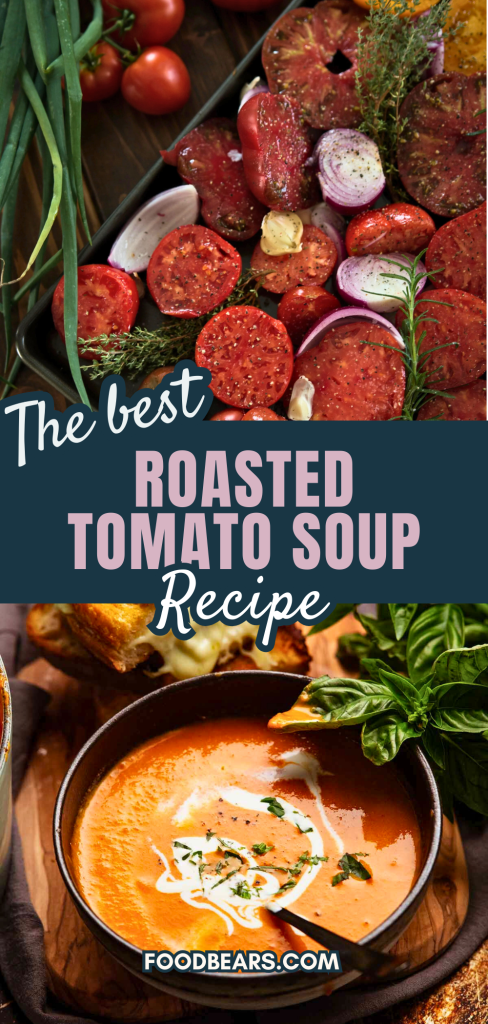
The defining step is oven roasting, which evaporates excess moisture and develops lightly caramelized edges.
Fresh basil and olive oil finish the blended vegetables with herbal brightness and a rounded texture.
The method below covers preparation, roasting, blending, seasoning, and serving in a clear sequence.
Why You’ll Love This Roasted Tomato Soup
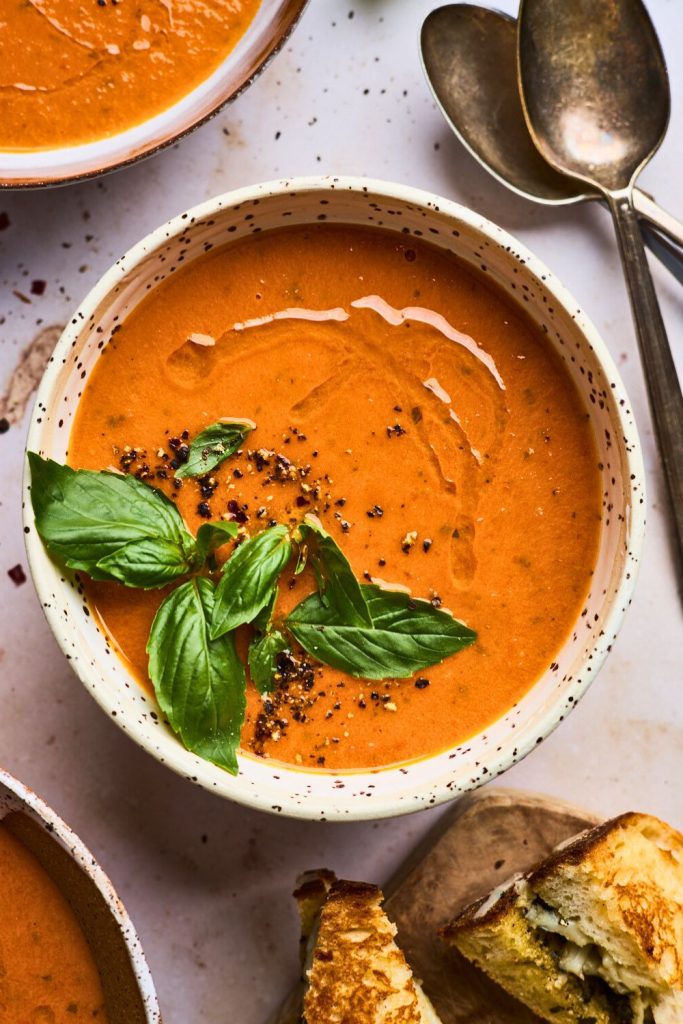
This roasted version delivers fuller tomato flavor than a basic stovetop soup while using only a small group of familiar ingredients.
1. Only Six Simple Ingredients
You do not need a pantry full of spices or fancy stock. With just tomatoes, onion, garlic, olive oil, basil, salt, and pepper, you may whip up a soup that is bright and deeply savory.
A key point is that the minimal ingredient list also makes this recipe budget-friendly and approachable for beginner cooks.
2. Roasting Transforms the Flavor
The secret lies in roasting the tomatoes, onion, and garlic together. This stage caramelizes the natural sugars, intensifies the sweetness, and provides a depth of flavor you will never get from boiling raw tomatoes.
It is what makes this soup creamy and rich without the need for added sugar or carrots to cut acidity.
3. Creamy Without Cream
Because of the natural texture of roasted tomatoes and the smoothness you get from blending, this soup becomes velvety and comforting without heavy cream. That makes it a lighter, healthier option that is still indulgent in taste and texture.
4. Fresh Basil for Brightness
No tomato soup is complete without fresh basil. Just a handful added at the end lifts the flavors, balancing the sweetness of the roasted tomatoes with fresh, herbaceous notes. It is simple, but it transforms every bite.
Ingredients You’ll Need
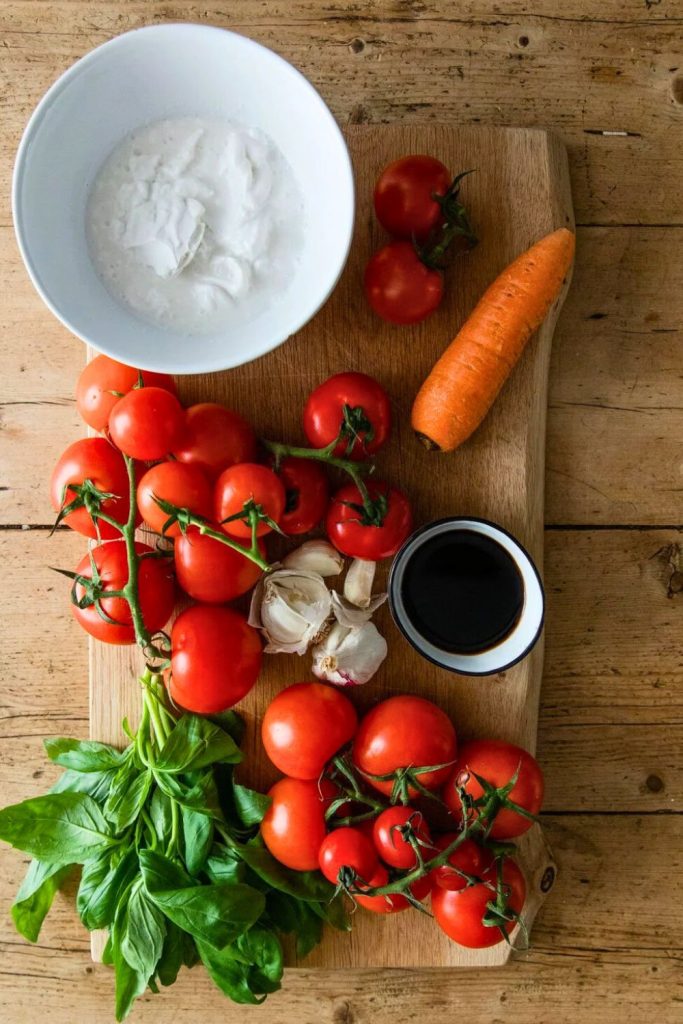
Use this table to choose ripe tomatoes and measure the onion, garlic, olive oil, seasonings, basil, and optional additions:
| Ingredient | Amount | Notes / Substitutions |
|---|---|---|
| Fresh tomatoes | 3 lbs | Works well for: amish paste or Roma work best; any ripe plum tomato will do. If using larger varieties, quarter them; smaller ones can be halved. |
| Yellow onion | 1 small (or ⅔ of a large one) | Choose this when: adds sweetness and depth. Slice into ½-inch pieces for even roasting. |
| Garlic cloves | 3, whole | A good fit for: roasted whole for mellow flavor. No need to chop before roasting. |
| Extra virgin olive oil | 2 tablespoons | Works well for: helps caramelize and enrich the soup. Use a good-quality cooking olive oil. |
| Salt | ¼ teaspoon (to start) | Season during roasting, then adjust as needed after blending. |
| Black pepper | To taste | Choose this when: freshly cracked black pepper brings out the sweetness of the tomatoes. |
| Fresh basil | 1–2 tablespoons, chopped | Stirred in at the end for brightness and flavor. Add more if you are a basil lover. |
👉 Optional additions: Layer in garlic powder, red pepper flakes, or Parmesan when you want more savoriness, heat, or richness.
Step-by-Step Instructions: How to Make Roasted Tomato Soup
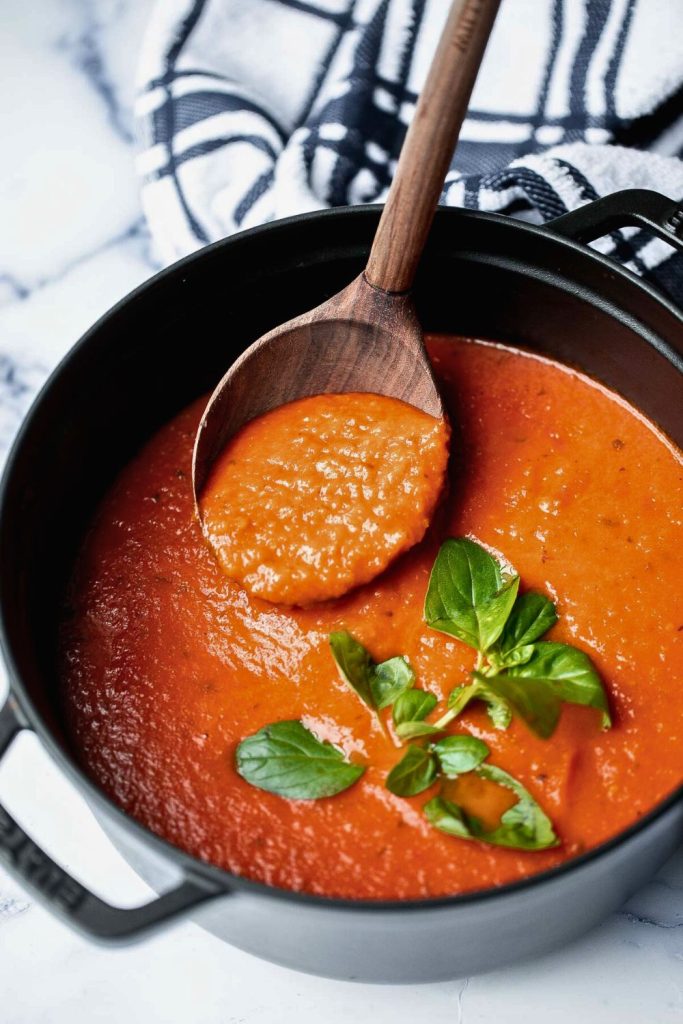
Homemade roasted tomato soup is straightforward because the oven develops most of the flavor before blending.
Keep the eight-step sequence, from cutting the tomatoes to adding basil and serving the finished soup.
1. Prepare the Tomatoes
The heart of any tomato soup is, of course, the tomatoes. In this recipe, we are using 3 pounds of fresh Amish paste tomatoes, a variety known for its sweetness and low moisture content. These are ideal for roasting because they deliver bold tomato flavor without turning watery.
If you do not have access to Amish paste tomatoes, do not worry. Roma tomatoes or any other plum variety will do just fine. You want something meaty, not overly juicy, and ripe with a deep red color.
Here’s how to prep them:
- Wash the tomatoes thoroughly.
- At this stage, slice more petite tomatoes in half and larger ones into quarters.
- Here, if any tomato has a rigid stem core, use a paring knife to remove it.
- During this step, place all the cut tomatoes onto a large sheet pan or roasting pan.
🍅 Why this stage matters: Roasting works best when your tomatoes are evenly sized and uncrowded. Cutting them evenly ensures they roast at the same pace and deliver a consistent depth of flavor.
2. Add Onion and Garlic
Build the aromatic base with onion and garlic.
You will need one small yellow onion. If your onion is on the larger side, use about two-thirds of it. Yellow onions offer a mild, slightly sweet taste that plays well with roasted tomatoes.
Cut the onion into half-inch thick pieces, not paper-thin, but not overly chunky either. Spread the onion slices over the tomatoes on the sheet pan, distributing them evenly so they roast along with the fruit.
Then take three garlic cloves, leave them whole, and arrange them around the pan. Do not mince or chop them. Roasting garlic whole allows it to become buttery, soft, and mellow, with no bitterness, no burning.
🧅 Why this stage matters: These ingredients won’t just flavor the soup—they become part of its body. Onion adds natural sweetness and depth, while garlic creates that rich, comforting aroma and flavor you expect from a good soup.
3. Season and Toss
Season the vegetables before roasting. Even a few ingredients go a long way when handled with care.
Here’s what to do:
- Drizzle 2 tablespoons of extra virgin olive oil over the tomatoes, onion, and garlic. This helps everything caramelize and creates a luxurious base after blended.
- Sprinkle ¼ teaspoon of salt over the pan.
- Add a generous crack of black pepper for balance.
Next comes the hands-on part. Use your hands to toss everything together right in the pan. The goal is to coat every piece with the oil and seasoning so they roast evenly.
🌿 Why this stage matters: Do not skip tossing it, as it ensures the seasoning doesn’t just sit on top. A light coating of oil and salt helps draw out moisture, intensify the flavors, and create golden roasted edges.
4. Roast to Perfection
Next comes the transformational step, roasting. This is where the real flavor the flavors develop.
Heat the oven to 400°F (200°C). Slide the sheet pan onto the middle rack and roast for 30–35 minutes.
During this time:
- Tomatoes will soften and shrivel slightly.
- Onion slices will turn golden and caramelized.
- At this point, garlic cloves will roast inside their skins, turning soft and sweet.
- You will see juices start to pool on the pan, do not throw these away; they’re deeply flavorful!
🔥 Why roasting works: Oven heat concentrates the tomatoes’ natural sugars and browns the onion and garlic, producing deeper sweetness and savoriness without added sugar or broth.
Helpful tip: If you like a slightly smokier soup, let the edges of the tomatoes char just a small amount.
5. Blend Until Creamy
After your tray is out of the oven and everything is soft and caramelized, it is time to blend.
Transfer the roasted ingredients to your blender. Be sure to include:
- All the tomatoes, onions, and garlic (you may squeeze the garlic out of its skin now).
- At this stage, the juices left in the pan are essential since this soup uses no broth.
Depending on how juicy your tomatoes are, you might want to leave behind a bit of liquid and add it gradually. Every tomato behaves differently, so it is always okay to adjust.
Now, for a small amount additional depth, add ¼ teaspoon garlic powder to the blender. This blends beautifully with the roasted garlic already in the pan and brings a touch of umami.
Run the blender on high for about 30 seconds, or until the mixture is silky smooth.
🌀 Why this stage matters: The blending stage is where all your roasting work pays off. The oil, juices, and softened veggies emulsify into a creamy, luxurious soup; no need for cream, milk, or butter.
6. Taste and Adjust
With your soup now beautifully blended, it is time to refine it.
Begin with a taste test. Use a clean spoon and note the flavor:
- Does it need more salt?
- Could it use a pinch more pepper?
- Here, want to boost the garlic with another dash of garlic powder?
Adjust the seasoning gradually. Stir, taste, adjust, and repeat until the flavor is just right.
🌶 Optional add-ins at this point:
- Red pepper flakes for a bit of heat.
- Parmesan cheese for umami.
- A swirl of cream, if you want it extra indulgent.
🥄 Why this stage matters: This soup is “salt as needed” because every tomato variety has its personality. Some are naturally sweet, others are more acidic. A quick seasoning adjustment gives you complete control of flavor.
7. Add Fresh Basil
Tomato and basil are a classic duo for a reason. The moment you stir it in, your kitchen will smell like summer.
Finely chop 1 to 2 tablespoons of fresh basil, more if you love that vibrant herbal note. Stir it gently into the soup.
If you want a bold basil flavor throughout the soup, blend some of the basil directly into the soup. Otherwise, add it fresh right just before serving.
🌿 Why fresh basil matters: It adds brightness, freshness, and a small amount peppery bite that balances the rich roasted flavors. Without it, the soup feels incomplete.
Helpful tip: Save a few whole leaves to float on top as a garnish. It looks beautiful and gives a preview of the flavors in each spoonful.
8. Serve and Enjoy
A key point is that the soup is hot and ready the moment it comes out of the blender. Pour it directly into bowls and serve with your favorite sides.
Some delicious ways to serve include:
- Grilled cheese sandwiches for dipping.
- Crusty bread or baguette slices.
- A sprinkle of fresh Parmesan or croutons on top.
- Swirl of olive oil or cream for presentation.
When your soup has cooled slightly, transfer it to a pot and warm gently over medium-low heat.
🧡 Why this stage matters: Serving tomato soup while it is still warm maximizes its comforting, smooth consistency. Paired with something crispy or cheesy, this soup becomes a complete and cozy meal.
What to Serve with Roasted Tomato Soup

Roasted tomato soup is light enough to serve alone, but crisp, cheesy, or vegetable sides can turn it into a more substantial meal.
Its silky texture and concentrated sweetness pair especially well with foods that add crunch, salt, or freshness.
Use one of these serving ideas to complete the plate:
- Classic Grilled Cheese: The ultimate partner to tomato soup. A gooey, melty cheese sandwiched between buttery, toasted bread dipped into creamy roasted tomato soup is a comforting meal at its finest. Cheddar is classic, but try mozzarella, Havarti, or even a mix for variety.
- Garlic Bread or Crostini: Crunchy bread brushed with garlic butter is well suited to scooping up every last bit of soup. Add a sprinkle of Parmesan for an extra punch of flavor.
- During this step, pizza Night Companion: Tomato soup and pizza might sound like tomato overload, but they balance each other beautifully. A cheesy slice dipped in creamy soup creates a match made in heaven.
- At this point, fresh Green Salad: Pairing soup with salad is a great way to make a lighter meal more filling. Try a crisp Caesar, an arugula salad with lemon vinaigrette, or even a cucumber and feta salad for freshness.
- At this stage, roasted Vegetables: Double up on your veggie intake by serving roasted carrots, zucchini, or asparagus on the side. They add more texture while keeping the meal wholesome.
Variations to Try
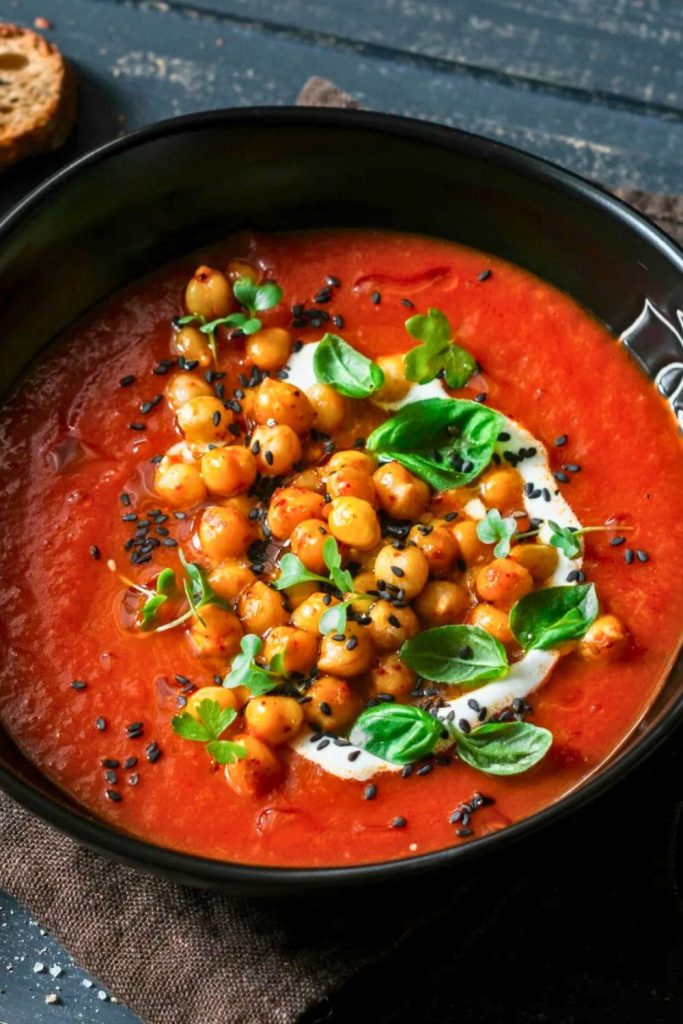
A few additions can make the same roasted base creamier, spicier, smokier, or more filling. The table explains how each variation changes the soup.
| Variation | What to Do | Flavor Boost |
|---|---|---|
| Creamy Roasted Tomato Soup | Mix in ½ cup of heavy cream, half-and-half, or coconut milk after blending. | A good fit for: extra richness and silky texture without changing the base flavor. |
| Spicy Roasted Tomato Soup | Works well for: add ½ teaspoon red pepper flakes or blend in one roasted red chili pepper. | Choose this when: a gentle heat that pairs beautifully with the soup’s natural sweetness. |
| Herb-Infused Soup | A good fit for: add thyme, oregano, or rosemary sprigs during roasting, then remove before blending. | Layers of earthy, aromatic flavor. |
| Parmesan Tomato Soup | Blend in ¼ cup grated Parmesan or sprinkle on top just before serving. | Adds salty umami and gives the soup taste indulgent. |
| Protein-Packed Version | Mix in cooked white beans, lentils, or shredded chicken. | Works well for: turns the soup into a filling main dish with extra protein. |
| Vegan-Friendly | Choose this when: skip cheese, use olive oil and coconut milk or cashew cream for richness. | 100% plant-based while keeping the smooth consistency. |
| Smoky Roasted Tomato Soup | A good fit for: add a pinch of smoked paprika or roast over a grill instead of oven. | Works well for: deep, smoky undertones that mimic fire-roasted tomatoes. |
| Winter Comfort Twist | Choose this when: add a pinch of smoked paprika or roast over a grill instead of the oven. | Adds natural sweetness and warmth for colder months. |
Final Thoughts
Roasted tomato soup remains a classic because high heat draws remarkable flavor from simple tomatoes, onion, and garlic.
Caramelized edges and concentrated pan juices give the blended soup depth that canned versions rarely provide.
Serve it in tomato season or freeze a batch for winter, then finish it with fresh basil and the seasoning level that suits your tomatoes.
When you want an easy, nourishing bowl, roast the vegetables, blend them with their juices, and add a crisp or cheesy side.
Creamy Roasted Tomato Basil Soup
Comfort in Every Spoonful
Continue with one of these linked soup recipes:
🥦 10-Min Prep Broccoli Soup Recipe You’ll Crave
Broccoli, cheddar, and a creamy broth make this a practical choice for a quick dinner.
🥕 Easy Vegetable Beef Soup Recipe for Families
Tender beef, vegetables, and savory broth create a substantial one-pot family meal.
🌿 Best Split Pea Soup Recipe for Fall Nights
Yellow split peas, garlic, and optional ham produce a thick soup suited to cool evenings.

Dana Brooks is a home-cooking writer at Feastbears, where she shares easy family recipes, cozy dinners, quick desserts, and beginner-friendly kitchen tips. Her goal is to make everyday cooking feel simple, warm, and enjoyable for busy home cooks.