
This white bean soup combines tender vegetables, creamy cannellini beans, Italian herbs, and leafy greens in a warming one-pot meal that feels substantial without becoming heavy.
Onion, garlic, celery, and carrots build the savory base, while partially blended beans give the broth natural body without cream.
It works equally well for family dinner, weekly meal prep, or a nourishing lunch that reheats reliably.
Follow the method below to build the flavor in layers, then finish the soup with lemon and fresh herbs.
Why You’ll Love This White Bean Soup

White bean soup is practical comfort food: affordable pantry staples become a balanced bowl with protein, fiber, vegetables, and a creamy texture.
- Simple Ingredients, Big Flavor. With basic vegetables, pantry beans, and common spices, you may create something that tastes like it has been simmering all day. The secret? Building layers of flavor by sautéing onions, garlic, celery, and carrots before adding broth and beans.
- Creamy Without Cream By blending a portion of the soup and adding it back into the pot, you get a naturally smooth consistency without dairy. It is a clever trick that makes the soup feel rich but still light.
- Customizable to Your Diet. Oil-free? No problem, sauté the veggies with broth or water. Want extra greens? Add spinach or kale. Craving spice? Red pepper flakes or hot sauce do the trick.
- Meal-Prep Friendly. This soup stores well in the fridge and freezer, making it well suited to planning. Cook once, eat multiple times.
- Nutritious and Filling. Packed with fiber and protein from white beans, plus vitamins from carrots, celery, and kale, it is a wholesome meal that keeps you satisfied.
Ingredients You’ll Need
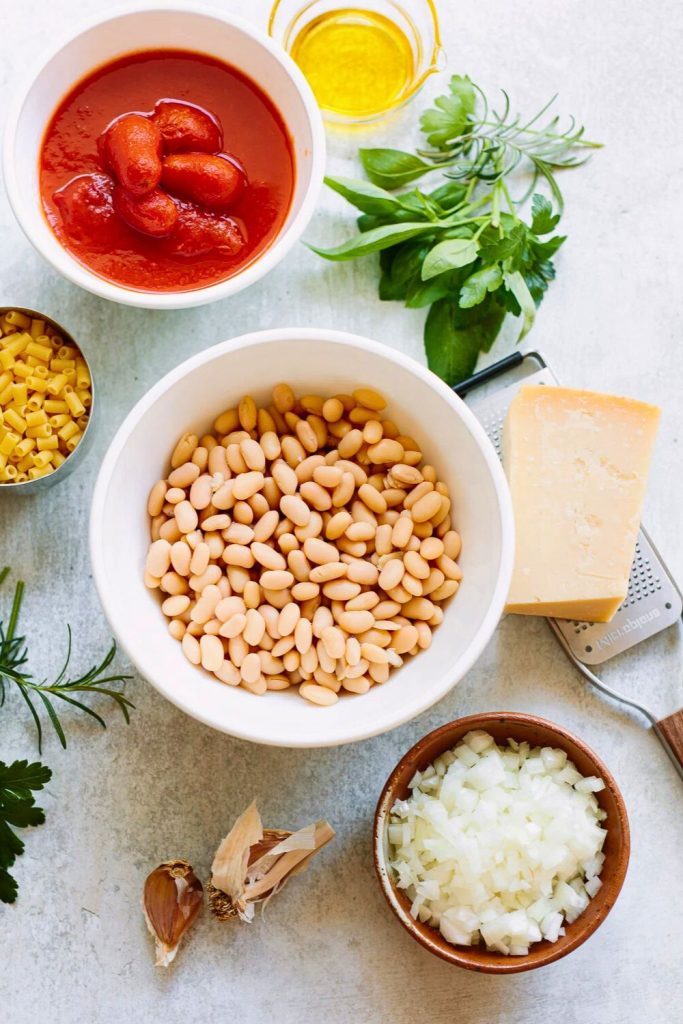
Use this ingredient table to gather the beans, vegetables, broth, herbs, and optional finishing ingredients before cooking:
| Ingredient | Amount | Notes & Options |
|---|---|---|
| Avocado or Olive Oil | 2–3 tablespoons | The flavor base: yellow or white onions work best. |
| Onion | 1 large, chopped | The flavor base; yellow or white onions work best. |
| Garlic | 5 cloves, minced | Navy or Great Northern beans are excellent substitutes. |
| Celery | 2 ribs, diced | Adds freshness and balance. |
| Carrots | 2 medium, diced | Brings sweetness and color. |
| Italian Seasoning | 1–2 teaspoons | Adjust as needed; you may also use oregano, thyme, or basil. |
| Tomato Paste | 2 tablespoons | Adds richness; freeze leftovers in small portions. |
| Vegetable Broth (or Bouillon + Water) | 4 cups | Adjust strength as needed; “no chicken” or regular veggie broth both work. |
| Cannellini Beans | 3 cans (15 oz each), drained & rinsed | Wilt quickly; spinach can be substituted. |
| Salt | To taste | Add gradually to avoid oversalting. |
| Black Pepper | To taste | Use generously if you like peppery soups. |
| Kale | 2–3 cups, chopped | Wilts quickly; spinach can be substituted. |
| Lemon Juice (optional) | ½ lemon, squeezed | Adds brightness and balances flavors. |
| Fresh Parsley (optional) | 2 tablespoons, chopped | A fresh garnish before serving. |
| Red Chili Flakes or Hot Sauce (optional) | To taste | For a spicy kick. |
Step-by-Step Guide to Making White Bean Soup

The method builds flavor in a deliberate order rather than adding everything at once. Work through the twelve steps to soften the aromatics, simmer the beans, blend a portion, and finish with greens and lemon.
Step 1: Heat the Base
Begin with a large, heavy-bottomed pot, something that distributes heat evenly. Turn the burner to medium-high and add 2–3 tablespoons of oil. You may use olive oil, avocado oil, or a mix of the two.
Why this stage matters: heating oil properly creates the foundation for sautéing your vegetables. Too cold, and your veggies soak up the oil instead of sizzling.
If the oil becomes too hot, it will smoke and leave a bitter taste. Aim for a light shimmer without smoke.
👉 Oil-free option: If you are cutting down on fats, use a splash of vegetable broth or water. It won’t caramelize the veggies the same way, but it will still soften them and release flavor.
Allow the oil to warm for a minute or two before adding the aromatics.
Step 2: Sauté the Aromatics
Then add in your chopped onion. Toss it gently so the oil coats the pieces. You will hear a soft sizzle that is your cue you are on the right track. Stir occasionally to prevent sticking, and let the onions soften until they turn translucent.
Then add in five cloves of minced garlic. This is where the fragrance kicks up a notch. Garlic burns quickly, so stir it around for only about a minute before moving on.
💡 Pro tip: Love garlic? Use a whole head. It won’t overpower after cooked down, and it gives the soup even richer.
This stage is all about layering aroma. The sizzling onion and garlic together give you that irresistible smell that makes everyone wander into the kitchen asking, “What’s cooking?”
Step 3: Add Celery and Carrots
After the onions and garlic are softened, mix in two diced ribs of celery and two diced carrots. These vegetables, often called mirepoix when combined with onions, form the backbone of countless soups.
Do not rush here. Let them continue cooking for 5–8 minutes. The carrots start to caramelize slightly, releasing sweetness, while the celery softens and adds freshness. Stir now and then to prevent sticking.
Treat this stage as your soup’s “flavor base.” If you skimp here, your soup risks tasting flat later.
Step 4: Season with Italian Herbs
Season with Italian seasoning, a mix of dried basil, oregano, thyme, and rosemary. The heat wakes up the herbs, allowing them to release oils that infuse the vegetables. Stir them around so the herbs coat everything evenly.
If you want to get fancy, you may add fresh herbs like rosemary or thyme, but the dried blend works especially well and is convenient.
By this stage, the kitchen will smell like an Italian trattoria, herbaceous, earthy, and inviting.
Step 5: Stir in Tomato Paste
Build deeper flavor with 2 tablespoons of tomato paste. Drop it in and stir well so it coats the vegetables. As the paste cooks, it darkens slightly and develops a more decadent, almost caramelized flavor.
Tomato paste is a powerful ingredient. It is concentrated, so a small amount has a noticeable effect in boosting umami (that savory “yum” factor).
If you do not want to waste the rest of the can, freeze extra tomato paste in tablespoon portions; you will thank yourself later.
This stage transforms the soup from light and simple to deep and hearty.
Step 6: Create the Broth
Now it is time to build the liquid base. You will need about 4 cups of vegetable broth. If you are using bouillon paste or cubes, dissolve them in hot water first, then pour them in.
For example, a teaspoon of “no chicken” bouillon paste stirred into water makes a savory broth that mimics chicken stock but remains plant-based. If you do not have that, classic veggie bouillon or stock works just as well.
👉 Taste as you go. Some bouillons are saltier than others, so adjust the strength based on preference. Start mild, you may always add more later.
Mix everything and inhale. You will notice how the tomato paste, herbs, and veggies have blended with the broth to create a rich, aromatic base.
Step 7: Add the White Beans
Time for the main ingredient: white beans. Add three cans of cannellini beans (drained and rinsed). These beans are creamy, mild, and hold their shape well, but if you may’t find them, navy beans or great northern beans are excellent substitutes.
A key point is that the beans add protein and heartiness, turning this soup into a complete meal instead of just a starter. They also help thicken the soup naturally, especially in the next step.
Add salt and black pepper. Be generous with the pepper if you enjoy a slight kick; it complements the creaminess of the beans perfectly.
Step 8: Simmer
Raise the heat until the soup reaches a gentle boil, then cover the pot and reduce the heat to low. Allow it to simmer for about 20 minutes.
This is where the flavors develop. The vegetables soften, the beans absorb flavor, and the broth becomes silky. Simmering also gives time for the seasoning to settle into harmony, creating that “all-day” flavor in less than half an hour.
Allow the full simmer; 20 minutes of patience here rewards you with deeper flavor.
Step 9: Blend for Creaminess
Now for the creamy twist. Remove about two cups of the soup (including beans and veggies) and arrange them in a blender. Puree until completely smooth, then pour it back into the pot.
This stage gives you the best of both worlds: a creamy, silky consistency without losing the chunky, hearty feel of whole beans and vegetables.
👉 If you do not want to use a blender, mash some beans directly in the pot with a potato masher or spoon. It won’t be as smooth, but it still creates creaminess.
After the puree returns to the pot, the soup thickens and takes on a comforting, stew-like consistency.
Step 10: Add the Greens
Then add in 2–3 cups of chopped kale. Stir it into the hot soup, and within a few minutes, it will wilt beautifully. Kale not only brings color but also a nutritional boost of vitamins and minerals.
Prefer spinach? That works too, it wilts even faster and gives a softer texture. You may also skip greens entirely if you want a more traditional bean-and-vegetable soup.
This stage is flexible, but adding greens makes the soup feel fresh and balanced.
Step 11: Brighten the Flavor
Just just before serving, squeeze in the juice of half a lemon. That little burst of acidity cuts through the richness and makes the flavors pop. It is subtle but transformative.
You may also mix in a handful of fresh parsley for brightness or season with red chili flakes for a gentle heat. Some like to finish with a dash of hot sauce for extra zing.
Treat this stage as adding the final brushstrokes to a painting; it ties everything together.
Step 12: Serve and Enjoy
Ladle the soup into bowls while it is still hot. You will notice how the beans, carrots, and kale sit beautifully in the golden broth. The texture is creamy but hearty, the kind that warms you up instantly.
Serve it with a slice of crusty bread or garlic toast for dipping, and you have a complete meal.
This goes beyond a soup, it is comfort in a pot. Cozy, filling, and full of well-balanced flavor, it is the kind of dish that makes you pause after the first bite and think, Yes, this is precisely what I needed.
Tips & Tricks for the Perfect White Bean Soup

Several small choices influence the soup’s texture and balance. These practical tips explain how to control the oil, soften the vegetables properly, blend for body, add acidity, and adjust the heat.
- Control the Oil (or Skip It)
- For a richer base, sauté the vegetables with the full 3 tablespoons of olive or avocado oil.
- For a lighter soup, slice the oil down to one tablespoon.
- At this stage, want to go completely oil-free? Use a splash of vegetable broth or water to soften the vegetables. This still develops flavor without the extra fat.
- Let the Vegetables Sweat
- Cook the onion, garlic, celery, and carrots for the full 5 to 8 minutes so they soften and develop gentle sweetness.
- This stage is where depth of flavor begins; skipping it gives the soup taste flat.
- Blend for Creaminess Without Cream
- Puree 1 to 2 cups of the soup and mix it back into the pot for natural creaminess without dairy.
- Want it thicker? Blend more. Prefer it chunky? Blend less. You are in control of the texture.
- Balance with Brightness
- Mild, creamy beans benefit from a final squeeze of lemon, which sharpens the seasoning and balances the body of the soup.
- If you do not have lemon, try a splash of vinegar for a similar effect.
- Customize the Heat
- For gentle heat, add red chili flakes or a small amount of your preferred hot sauce.
- Here, if cooking for kids or spice-sensitive eaters, keep it mild and let each person add their spice.
Variations You Can Try

The same white bean base can support different greens, proteins, vegetables, and seasonings. Use the table for ideas that preserve the same cooking technique.
| Variation | How to Make It | Why You’ll Love It |
|---|---|---|
| White Bean & Spinach Soup | Swap kale for 3 cups of fresh spinach. | Lighter greens with a softer texture that wilt quickly. |
| Tuscan-Style Soup | Works well for: add sun-dried tomatoes, extra garlic, and finish with a drizzle of olive oil. | Brings a rustic, Italian countryside vibe. |
| Protein Boost Soup | Mix in sliced vegan sausage, rotisserie chicken, or leftover turkey. | Turns the soup into a high-protein, one-pot meal. |
| Low-Carb Veggie Swap | Choose this when: reduce carrots and add zucchini, cauliflower, or mushrooms. | Cuts carbs while keeping it hearty and filling. |
| Kid-Friendly Puree | Blend the entire soup until smooth. | Creamy texture without chunks—great for picky eaters. |
| Spicy White Bean Soup | Add 1–2 teaspoons of chili flakes or diced jalapeños. | Perfect for spice lovers craving extra heat. |
| Herb Lovers’ Soup | Mix in fresh basil, thyme, or rosemary near the end. | Adds a garden-fresh aroma and flavor punch. |
Once the base method is familiar, these changes make it easy to adapt the soup for different seasons, diets, and ingredients already in your kitchen.
Nutritional Benefits of White Bean Soup
White beans and vegetables make this soup a satisfying meal as well as a comforting one. It supplies plant protein, fiber, and a range of everyday nutrients.
- During this step, plant-Based Protein : White beans (like cannellini or navy beans) are excellent plant-based protein sources. One serving of this soup can help keep you full and energized without needing meat.
- At this point, fiber-Rich Goodness : Beans, carrots, celery, and kale add plenty of dietary fiber, which supports digestion, stabilizes blood sugar, and helps you feel satisfied longer.
- Loaded with Vitamins and Minerals
- Carrots contribute beta-carotene, which the body uses to make vitamin A for normal vision.
- Kale contributes vitamins K and C along with a modest amount of calcium.
- Garlic and onion add savory flavor along with naturally occurring sulfur compounds.
- At this stage, low in Fat, Big on Flavor : Even with oil, this soup is relatively low in fat compared to cream-based soups. Go oil-free, and it becomes a light yet filling option for those watching calories.
- Here, heart-Healthy Choice : The beans and vegetables bring potassium and magnesium, both important for heart health and blood pressure regulation.
Final Thoughts
This white bean soup keeps the recipe’s hearty character while relying on beans and blended vegetables instead of dairy for creaminess.
Its savory broth, soft vegetables, leafy greens, and bright lemon finish make it useful for both weeknight dinners and planned lunches.
Prepare a pot when you want a warming meal that stores well and can be adjusted with the herbs, greens, or heat level you prefer.
Creamy White Bean Soup With Kale

Keep the Comfort Coming
Continue your soup rotation with one of these linked recipes:
- Quick Roasted Tomato Soup Recipe for Lazy Girls – Roasted tomatoes, onion, garlic, and basil create a smooth soup with concentrated flavor.
- Hot & Sour Dumpling Soup Recipe for Fall – Homemade beef dumplings meet an aromatic black-vinegar broth with chili and sesame.
- Cozy Potato Leek Soup Recipe for Busy Moms – Potatoes and leeks blend into a silky, dairy-free soup suited to simple family meals.

Dana Brooks is a home-cooking writer at Feastbears, where she shares easy family recipes, cozy dinners, quick desserts, and beginner-friendly kitchen tips. Her goal is to make everyday cooking feel simple, warm, and enjoyable for busy home cooks.