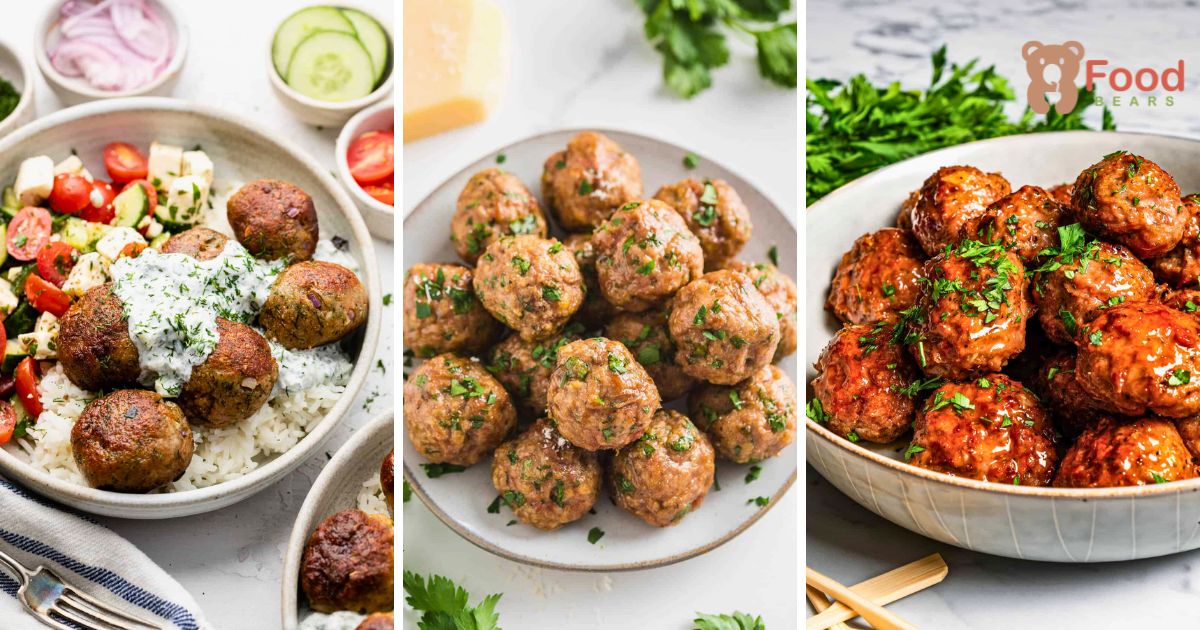
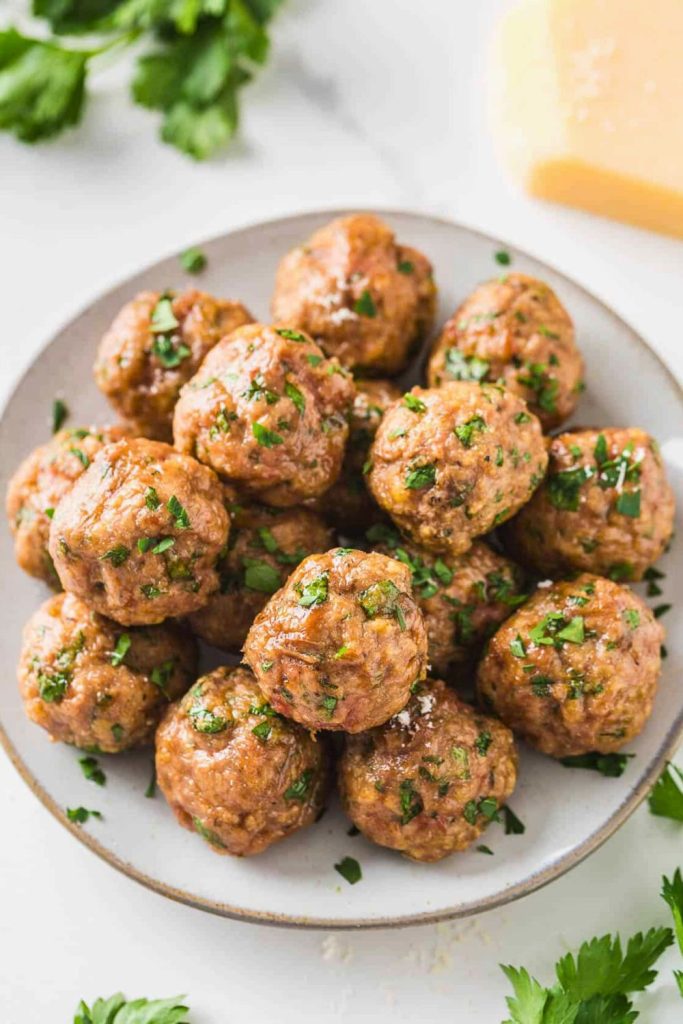
These baked turkey meatballs stay moist inside, brown well outside, and rely on everyday ingredients for their flavor and structure.
They work for a weeknight dinner, planned lunches, freezer meals, or an appetizer served with sauce.
Dark ground turkey, finely minced aromatics, breadcrumbs, egg, parsley, and dried herbs help prevent the dry texture often associated with turkey.
The original method remains straightforward: mix gently, shape evenly, bake, and broil briefly when you want extra color.
Why You’ll Love This Turkey Meatballs Recipe

The difference between dry meatballs and tender ones usually comes down to moisture, binding, and careful mixing.
This version balances lean turkey with onion, egg, breadcrumbs, herbs, and optional olive oil.
These are the main reasons the recipe is useful:
- Wholesome yet satisfying. Turkey is naturally leaner than beef or pork, but this recipe ensures it never feels bland. Thanks to freshly chopped herbs, onion, garlic, and breadcrumbs, every bite bursts with flavor.
- Juicy, not dry. A common complaint with ground turkey is dryness. By using minced onion, chopped parsley, breadcrumbs, and an egg, these meatballs remain moist and tender on the inside.
- Accessible and straightforward. The recipe needs only a mixing bowl, baking sheet, and familiar pantry ingredients.
- Kid-friendly and crowd-pleasing. Even picky eaters cannot resist these. They’re mild enough for kids but well-seasoned enough for adults. Ideal for family dinners or parties.
- Flexible at mealtime. Serve them over pasta, stuff them into a sandwich, dip them in your favorite sauce, or enjoy them plain with a side of veggies. They fit into almost any mealtime plan.
- Meal-prep ready. Prepare a generous batch, freeze half, and keep convenient protein on hand for later meals. The meatballs reheat without losing their tender texture.
- Ideal for every season. Serve in summer with a light salad. In fall and winter, tuck them into soups or casseroles. This recipe never goes out of style.
Once baked, the meatballs can be paired with pasta, grain bowls, salad, vegetables, or sandwiches.
Ingredients You’ll Need
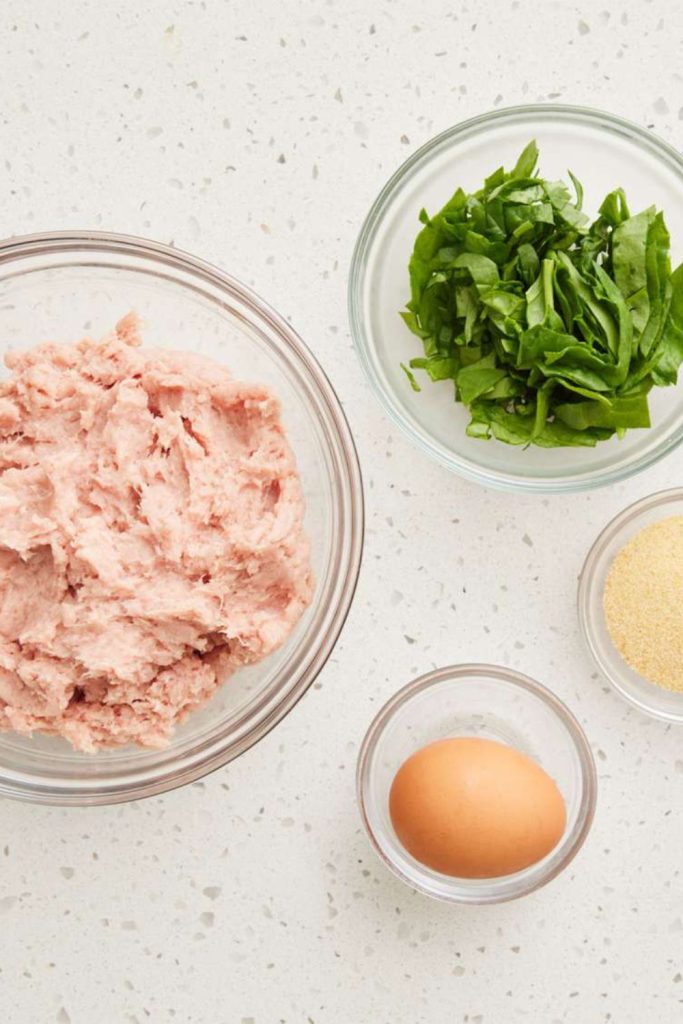
For a dependable result, recipe foolproof, let’s break down each ingredient and why it matters.
| Ingredient | Amount | Why It Matters |
|---|---|---|
| Ground Turkey | 1 ½ lbs (or 1 lb for a smaller batch) | The main protein. Opt for dark meat turkey for juicier meatballs, as it has more natural fat and flavor. |
| Onion (minced) | ½ cup | Minced finely so it blends smoothly into the meat mixture. Large chunks can prevent the meatballs from holding together. |
| Garlic (minced) | 2 cloves | Adds aroma and a savory punch. The finer the mince, the better it distributes. |
| Egg | 1 | Acts as a binder, holding the mixture together so the meatballs do not fall apart. |
| Breadcrumbs (panko or regular) | 1 cup | Essential for consistency and structure. They soak up juices, keeping the meatballs tender. Panko gives a lighter, crispier result. |
| Fresh Parsley (minced) | ⅓ cup | Brightens the flavor and contributes a fresh, herby note. Use leaves and small stems, but avoid the thick central stem. |
| Dried Basil | ½ tsp | Infuses the meatballs with subtle Italian flavor. |
| Dried Oregano | ½ tsp | Strong and earthy, just a small amount transforms the flavor. |
| Salt | 1 tsp (plus a sprinkle for topping) | Enhances every ingredient and ensures the first bite is especially well seasoned. |
| Black Pepper | ½ tsp | Balances out the herbs and contributes a gentle heat. |
| Olive Oil Spray (or drizzle) | As needed | Keeps the meatballs from drying out while helping them brown nicely in the oven. |
Step-by-Step: How to Make Turkey Meatballs
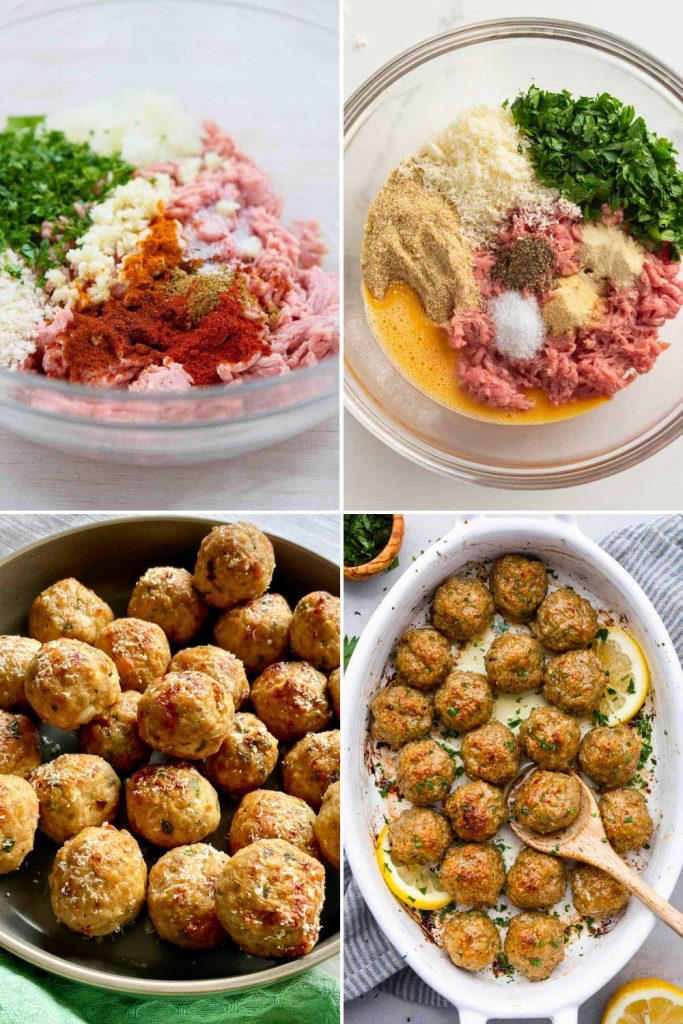
Making turkey meatballs is manageable when the process is divided into clear stages. Gentle mixing and even shaping help them remain tender and moist.
Work through through the process slowly and carefully, using extra tips to help you avoid common pitfalls.
Step 1: Preheat and Prep the Baking Sheet
A reliable recipe starts using preparation. Grab a baking sheet and line it with parchment paper. This small detail makes a big difference; it keeps the meatballs from sticking, reduces cleanup, and allows them to brown more evenly.
Trim the parchment to fit the pan if you prefer a neat setup, although this is optional and does not affect the cooking.
First, preheat your oven to 375°F (190°C). Preheating ensures that the meatballs start cooking at the right temperature immediately, which helps with both browning and even cooking.
💡 Tip: If you forget to preheat, your meatballs might cook unevenly. The outside could dry out prior to the inside is cooked through.
Step 2: Mince the Onion, Garlic, and Parsley
This is where flavor and consistency really start to build. Do not just chop mince finely.
- Onion: Finely mince about ½ cup. Large pieces may weaken the meatballs and create uneven texture, while a fine mince blends smoothly into the turkey.
- Garlic: Use 2 cloves, minced as finely as possible. Garlic provides the meatballs a warm, savory depth. Again, smaller is better; tiny garlic bits distribute evenly through the mix.
- Parsley: Mince about ⅓ cup chopped parsley. Do not be afraid to include the thin, delicate stems, but avoid the thick central stem; it is fibrous and bitter. Parsley adds freshness and a touch of green color, preparing the meatballs look as good as they taste.
Consider this step as the “foundation layer” of flavor. If you skimp on mincing, your meatballs may crumble or have an uneven consistency.
💡 Tip: At this point, use a sharp knife. A dull blade bruises herbs and releases too much moisture, which can water down the mix.
Step 3: Beat the Egg
Crack 1 egg into a large mixing bowl, the same one you will be using for the turkey mixture. Give it a fast beat with a fork or whisk.
Why add it first? Beating the egg in the bowl before adding other ingredients saves you time and dishes. It is one less bowl to clean, and the egg is evenly distributed once you include the rest.
The egg is your binder. Without it, the meatballs won’t hold together properly. It is the glue that keeps onion, parsley, turkey, and breadcrumbs working in harmony.
💡 Tip: When doubling the recipe, add the eggs one at a time. Too many can leave the mixture loose.
Step 4: Add the Turkey and Flavor Base
Now it is time for the central ingredient, ground turkey. Add about 1 ½ pounds to the bowl alongside the beaten egg. If you are making a smaller batch, 1 pound works just fine.
This is an important decision: choose dark meat turkey (from thighs or drumsticks) instead of light breast meat.
The reason is straightforward: Dark meat contains more natural fat, resulting in greater moisture and taste. Breast meat dries out fast and can leave your meatballs tasting flat.
Next, fold in the minced onion, garlic, and parsley you prepared earlier. These fresh ingredients include taste, moisture, and brightness to the turkey base.
💡 Tip: If you only have lean ground turkey breast, you can include 1–2 teaspoons of olive oil to the mix for extra moisture.
Step 5: Mix in the Breadcrumbs and Herbs
Next up are the breadcrumbs and seasonings, the ingredients that prepare these meatballs taste like meatballs, not just cooked turkey.
- Breadcrumbs: Add 1 cup panko or regular breadcrumbs. Panko gives a lighter texture, while standard crumbs make it slightly denser; both absorb moisture and keep the meatballs tender.
- For dried basil, Add ½ teaspoon. It brings subtle sweetness and pairs well with turkey.
- Dried Oregano: Add ½ teaspoon. Strong and earthy, oregano lends a classic Italian flavor. A little has a strong effect.
- Salt: Add 1 teaspoon. Do not skimp; turkey is mild and needs salt to shine.
- For black pepper, Add ½ teaspoon. This adds balance and a touch of warmth.
These seasonings might look simple, but together they transform the meatballs into something that tastes comforting, substantial, and familiar.
💡 Tip: Taste-testing is hard with raw turkey, so here’s a hack: cook a teaspoon of the mixture in a skillet, taste it, then adjust seasoning if needed ahead of baking the whole batch.
Step 6: Mix Everything
This is where it all takes shape. You have got turkey, egg, onion, garlic, parsley, breadcrumbs, and herbs in the bowl. Now it is time to mix until just combined.
This is the considerable debate: spoon or hands?
- A spatula keeps things clean, but you risk uneven mixing.
- Hands let you feel the consistency and ensure every part is blended evenly.
Most cooks swear by using their hands. Just remember, do not over-mix! Overworking the meat causes the proteins to tighten, resulting in tough, rubbery meatballs. Gentle mixing is the secret to tenderness.
💡 Tip: If the mixture feels too wet, include a spoonful of breadcrumbs. If it feels too dry, add a teaspoon of olive oil or a splash of milk.
Step 7: Shape the Meatballs
Next comes shapingis rolling! Scoop out portions around the size of a golf ball (roughly 1 ½ tablespoons each). Roll them gently between your palms until smooth, then place them on the parchment-lined baking sheet.
Leave around 2 inches of space between each meatball. This helps air circulate, allowing them to bake and brown evenly instead of steaming.
💡 Tip: If the mixture sticks to your hands, dampen them lightly using water prior to rolling.
Step 8: Add Olive Oil and Salt Topping
Before baking, give the meatballs a finishing touch. Lightly spray them with olive oil spray, or drizzle olive oil if you do not have spray. This not only prevents dryness but also encourages browning.
To include an extra flavor kick, sprinkle a tiny pinch of salt on top of each meatball. The first bite, using its salty crust, is incredibly satisfying.
💡 Tip: Do not go overboard alongside the salt sprinkle; just a light touch is enough.
Step 9: Bake the Meatballs
Set the baking sheet in your preheated oven and bake for 15–20 minutes. The exact time depends on your oven and the size of your meatballs.
Cook the centers to 165°F (74°C). An instant-read thermometer is the most dependable way to confirm doneness without overbaking.
Baking works well instead of frying? Baking allows heat to surround the meatballs, cooking them uniformly without burning the outside. Frying often results in charred exteriors and undercooked interiors.
💡 Tip: Rotate the baking sheet halfway through so the meatballs brown evenly.
Step 10: Broil for a Crispy Finish (Optional)
Would you like to take things up a notch? After the meatballs are fully cooked, switch your oven to the broil setting. Let them cook for another 2 minutes.
This step provides the meatballs a beautiful golden-brown crust without drying them out. It is the difference between good meatballs and irresistible ones.
💡 Tip: Watch the meatballs closely under the broiler; an extra minute can burn the tops.
Serving Suggestions
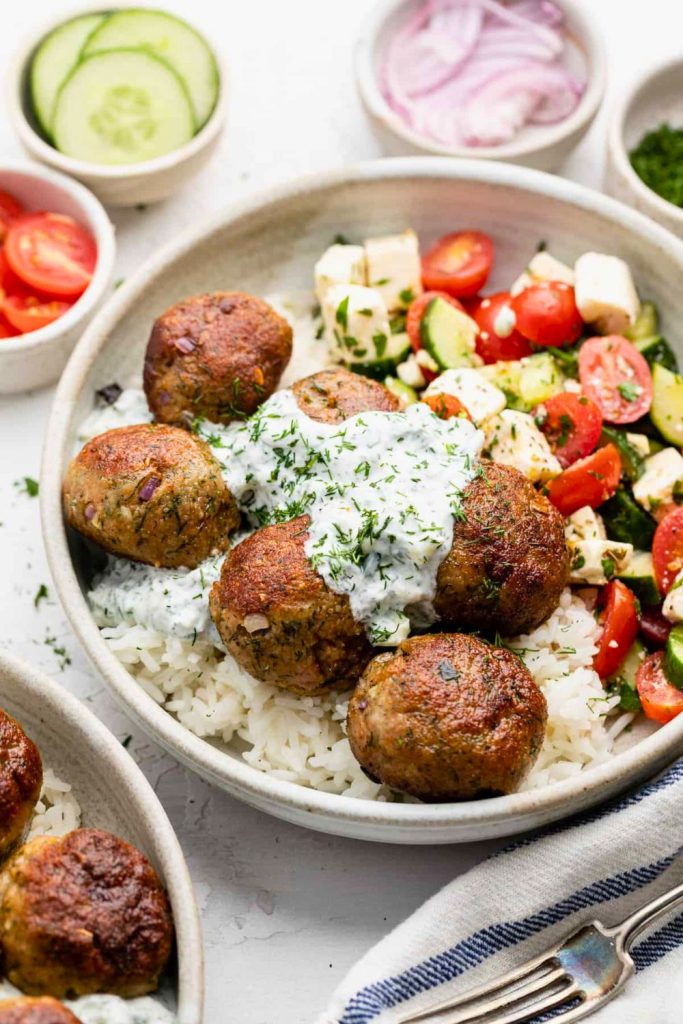
A major advantage around turkey meatballs is their versatility. They aren’t just a one-dish wonder; they can slide seamlessly into all sorts of meals.
Whether you are cooking for yourself, feeding your family, or entertaining guests, these little flavor bombs can be dressed up or down.
These are some well-seasoned ways to serve them:
1. Classic Spaghetti and Meatballs
A reliable serving choice iswith a comforting plate of spaghetti topped using marinara sauce and moist turkey meatballs.
Tomato sauce pairs naturally with the herbs in the meatballs and keeps the dish lighter than many beef versions. Finish with Parmesan if desired.
2. Meatball Subs
Tuck a few meatballs into a toasted hoagie roll, spoon on some sauce, and top with melted mozzarella or provolone. It is messy in the best way possible, a handheld comfort meal that is ideal for game day or a casual weekend dinner.
3. Meal Prep Bowls
Pair turkey meatballs with roasted vegetables, quinoa, or rice for a balanced, ready-to-go lunch. These bowls keep well in the fridge, making wholesome eating during the week so much easier.
4. Party Appetizer
Stick toothpicks into the meatballs and serve them with a dipping sauce, such as marinara, tzatziki, or spicy sriracha mayo. They’re bite-sized crowd-pleasers that disappear fastly at gatherings.
Tips for Perfect Turkey Meatballs
A few careful adjustments separate average meatballs from excellent ones, even though the overall method is simple.
These are five expert tips to guarantee success every time:
1. Mince, Do not Dice, Your Veggies
The recipe details stresses this for a reason: large chunks of onion or garlic will prevent the meatballs from sticking together and may overwhelm each bite. Mincing ensures a smooth consistency and helps the meatballs hold their shape.
2. Use Dark Meat Turkey
Light turkey breast is lean but tends to dry out fastly. Dark meat has more fat, which means more flavor and juiciness. If you cannot find dark meat turkey, add a splash of olive oil or grated zucchini to the mix to keep things moist.
3. Do not Over-Mix the Meat
Mixing aggressively aggressively compresses the protein, resulting in dense and rubbery meatballs. Instead, combine ingredients gently until just incorporated. Your hands are the best tool for this job.
4. Space Meatballs Apart on the Pan
If you crowd the baking sheet, the meatballs will steam instead of baking. Leaving space around each ball allows hot air to circulate, providing even cooking and the slight browning you are after.
5. Broil for Browning
Baking cooks the centersthem through, but broiling at the end gives you that irresistible golden crust. Just a couple of minutes under the broiler takes your meatballs from “good” to “restaurant-quality.”
Temperature note: Always check doneness using an instant-read thermometer. Turkey should hit at least 165°F (74°C) for food safety.
Variations to Try
Would you like to switch things up? Turkey meatballs are like a blank canvas; you can add different herbs, spices, or mix-ins to create new flavors.
These are some creative variations to keep things exciting:
| Variation | How to Make It | Flavor Profile |
|---|---|---|
| Cheesy Turkey Meatballs | Add ½ cup grated mozzarella, Parmesan, or cheddar into the mix before shaping. | Rich, gooey, kid-friendly. |
| Spicy Kick | Mix in ½–1 tsp crushed red pepper flakes or finely diced jalapeño. | Adds heat and zing, ideal for spice lovers. |
| Mediterranean Style | Add crumbled feta, chopped sun-dried tomatoes, and a pinch of fresh dill. | Bright, tangy, and herby. |
| Asian Inspired | Mix in 1 tbsp soy sauce, 1 tsp grated ginger, and sliced green onions. Serve with teriyaki glaze. | Savory-sweet with umami depth. |
| Low-Carb/Keto | Replace breadcrumbs with ¾ cup almond flour or crushed pork rinds. | Lower carbs, still tender, with a nutty undertone. |
| Herb Lovers’ Blend | Double the parsley and add fresh basil or cilantro. | Fresh, vibrant, and garden-inspired. |
| Stuffed Meatballs | Hide a small cube of mozzarella or cheddar inside each ball ahead of baking. | Fun surprise center with a melty bite. |
✅ Final Thoughts
Baked turkey meatballs can be lighter than beef or pork versions while still remaining tender and satisfying.
Finely minced onion, garlic, and parsley distribute moisture and seasoning, while a short broil provides a browned finish.
The finished meatballs work with pasta, rice, salads, sandwiches, or a favorite dipping sauce.
They are also convenient for meal prep because cooked portions freeze and reheat well.
Check the center with a thermometer, allow the meatballs to rest briefly, and serve them while warm.
Juicy Baked Turkey Meatballs
Hungry for More?
If you want another family-friendly meal, try one of these linked recipes next:
- Best Chicken Vegetable Soup Recipe for Family Dinners – A substantial, nourishing bowl that is ideal for family meals.
- 20-Minute Creamy Asparagus Soup – Light, fresh, and perfect when you need a fast comfort fix.
- Borscht Soup With Beets and Beans – A colorful, traditional beet soup with a modern twist.
The linked dishes follow the same practical, family-friendly approach.

Dana Brooks is a home-cooking writer at Feastbears, where she shares easy family recipes, cozy dinners, quick desserts, and beginner-friendly kitchen tips. Her goal is to make everyday cooking feel simple, warm, and enjoyable for busy home cooks.