Homemade cornbread brings instant comfort with its crisp, deeply golden edges and tender cornmeal crumb.
This familiar American bread ranges from lightly sweet Northern-style loaves to savory, crumbly Southern versions, so it fits many different meals.
The method below keeps the original recipe straightforward while showing exactly how to get a well-browned crust and soft center.
Serve it beside chili or barbecue, or enjoy a warm wedge with butter and honey.
Along with the full method, you will find ingredient notes, practical baking tips, serving ideas, and several easy variations.
Why This Cornbread Recipe Stands Out
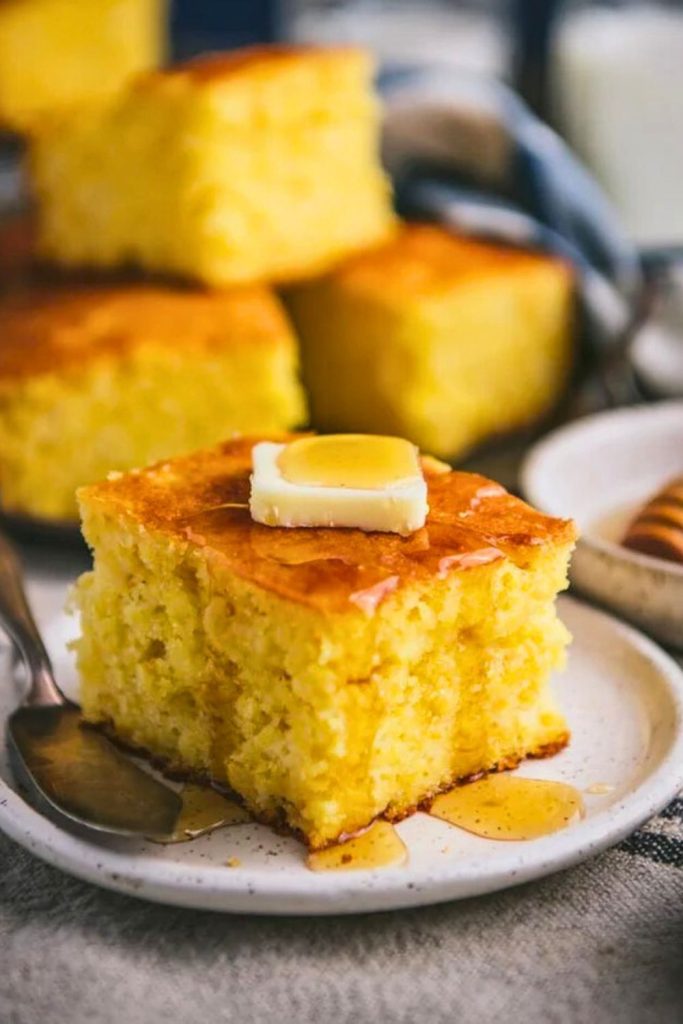
You can find countless cornbread recipes out there, but this one delivers on every point for texture, flavor, and ease of preparation.
It is inspired by the traditional way cornbread was made, cornmeal mixed with water and salt. But it has been adapted with modern touches that make it irresistible today.
This is why this version is worth keeping in your recipe collection:
1. Balanced of Texture
Good cornbread should never be one-note. This recipe gives you a delightful contrast of crisp golden edges from the preheated skillet and a soft, tender inside that practically melts in your mouth. Every bite feels both hearty and comforting.
2. Customizable Sweetness
Depending on where you are from, you might prefer your cornbread slightly sweet (as in the North) or completely savory (as in the South). This recipe respects both traditions. You can keep it mildly sweet with a touch of sugar or honey, or leave it out entirely for an actual Southern-style loaf.
3. Homemade, Not Boxed
Let us be honest, boxed cornbread mixes are convenient, but they can’t compete with homemade. By making your own, you know the result’s going into your bread. No preservatives, no fillers, just wholesome ingredients that taste fresher and better.
4. Quick and Simple
With just a few basic pantry ingredients, this cornbread takes shape in minutes. From mixing to baking, the whole process takes less than half an hour, making it the perfect last-minute side dish.
Ingredients You’ll Need
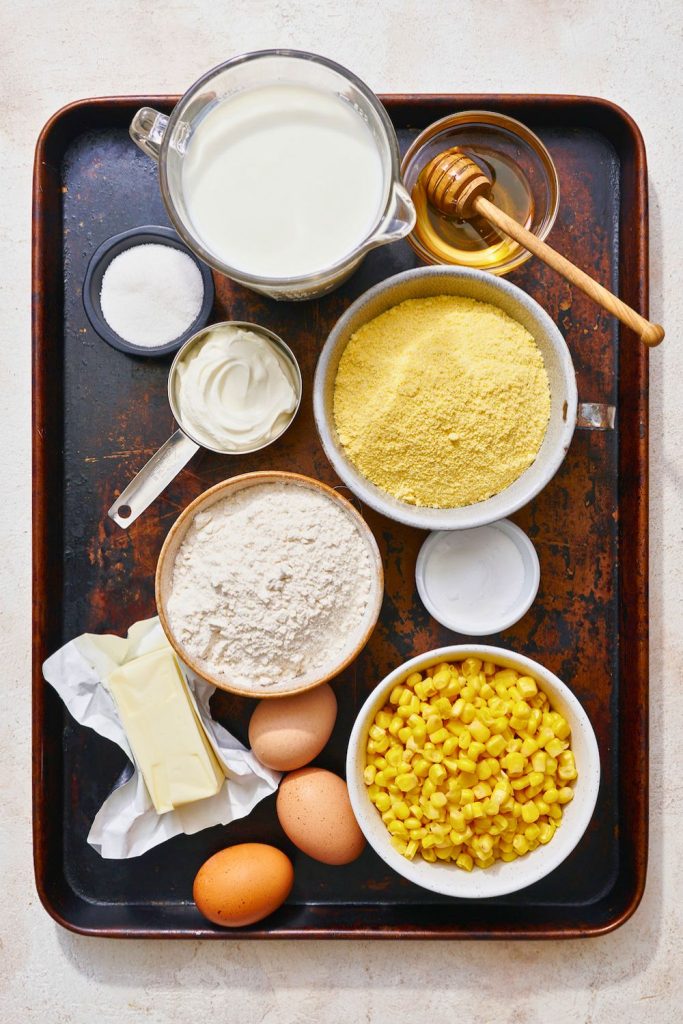
Here is a breakdown of the essential ingredients for this recipe, along with notes and possible substitutions.
| Category | Ingredient | Amount | Notes / Substitutions |
|---|---|---|---|
| Dry Ingredients | Yellow cornmeal | 1 ½ cups (255 g) | Choose yellow for rich flavor; white cornmeal works too but milder |
| All-purpose flour | ¾ cup (90 g) | Adds structure and balance to the cornmeal | |
| Granulated sugar | ¼ cup (25–30 g) | Swap with honey or brown sugar; omit for savory Southern style | |
| Baking powder | 2 teaspoons | Helps the cornbread rise and stay fluffy | |
| Sea salt | 2 teaspoons | Balances flavor; regular table salt works too | |
| Wet Ingredients | Whole milk (warm) | 1 ½ cups | Warm to prevent butter from clumping; can sub buttermilk for tang |
| Unsalted butter, melted | ¼ cup | Adds richness; can swap with bacon grease for smoky flavor | |
| Egg (room temp) | 1 large | Helps bind and add structure | |
| For the Pan | High-heat oil | 1 tablespoon | Vegetable, canola, or sunflower oil; ensures a crisp crust |
How to Make Cornbread: Step-by-Step Guide

Making cornbread is simple, but a few minor details can make the distinction between a flat, bland loaf and a golden, bakery-worthy pan that has everyone asking for seconds.
Work through these seven steps carefully, and you will master this recipe in no time.
Step 1: Preheat Your Oven
The starting point for great cornbread starts before you even touch the ingredients.
Set your oven to 425°F (220°C). A high baking temperature is important for developing a golden crust and fluffy interior. Lower temperatures may leave cornbread to become dense or pale, while the hotter oven produces the bold color and crisp edges people crave.
Think of it like preparing the stage for a performance. The actors (your ingredients) need the lights (the heat) ready before they step out. If you do not preheat, the batter sits too long, and instead of puffing up beautifully, it will sag into a heavy slab.
Cook’s note: Preheat for at least 10–15 minutes. Many ovens beep when they reach temperature, but they are often still stabilizing. A fully preheated oven guarantees consistency.
Step 2: Heat the Pan
This stage is the key behind well-baked cornbread.
While your oven is heating, place a 9-inch cast-iron skillet or a cake pan inside with 1 tablespoon of high-heat oil (such as vegetable, canola, or sunflower). Let it heat for about 5 minutes until it is sizzling hot.
Why is this important? The moment your batter hits the pan, you want an instant reaction, that satisfying hiss that tells you the crust is forming. Without preheating the pan, cornbread edges can become soft and doughy instead of crispy and golden.
Think of it like making pancakes. If your griddle isn’t hot enough, the first pancake is always pale and flat. Cornbread follows the same principle; the pan must be hot enough to “shock” the batter into developing texture.
Cook’s note: If you are using cast iron, avoid the temptation to skip oil. The fat ensures the bread does not stick and helps create a crunchy, flavorful bottom crust.
Step 3: Mix the Dry Ingredients
While the pan is heating, it is ready to bring together the backbone of your cornbread.
Grab a large mixing bowl and combine thoroughly:
- 1 ½ cups yellow cornmeal (255 g)
- ¾ cup all-purpose flour (90 g)
- ¼ cup sugar (25–30 g) or honey/brown sugar if preferred
- 2 teaspoons baking powder
- 2 teaspoons sea salt
At this point, the mixture will appear bright yellow and slightly grainy. The flour balances the grit of the cornmeal, the sugar (if using) gives subtle sweetness, and the baking powder ensures lift.
You will notice something special about cornbread: it is incredibly adaptable. Do not like sweet bread? Skip the sugar for a more Southern-style version. Craving something richer? Swap sugar for honey, which brings moisture and a floral note.
Cook’s note: Whisking isn’t just about blending. It also aerates the mixture, helping the cornbread rise evenly in the oven.
Step 4: Mix the Wet Ingredients
Now let us include the moisture and richness. In a separate, slightly smaller bowl, combine:
- 1 ½ cups whole milk (at room temperature or warmed slightly)
- ¼ cup unsalted butter, melted
- 1 large egg, at room temperature
This is why the temperature matters:
When your milk is too cold, it will cause the melted butter to seize up into little granules, which won’t blend properly.
That leaves you with uneven fat distribution; some bites are greasy, others are dry. Warming the milk just slightly (a quick 20 seconds in the microwave is enough) prevents this.
Break the egg into the milk, include the butter, and whisk until uniform and creamy.
Cook’s note: This is also the perfect ready to add creative extras. Mix in shredded cheddar for richness, minced jalapeños for heat, or even a handful of corn kernels for texture. Cornbread is like a blank canvas; the basics stay the same, but the flavors are up to you.
Step 5: Combine Wet and Dry
Next comes the part where the magic happens.
Take your bowl of dry ingredients, make a small well in the center, and pour in the wet mixture. Using a whisk or spatula, fold gently just until just combined. Do not be concerned if you see small lumps; that’s normal and even desirable.
What matters here is to keep mixing to a minimum. If you stir too aggressively, you will activate the gluten in the flour, which can produce tough, chewy bread instead of light and tender slices.
Imagine it like stirring muffin batter: finish mixing as soon as everything looks combined, chiefly, and let the oven do the rest.
Cook’s note: Always check the bottom of the bowl to be sure no dry pockets of flour or cornmeal remain. A few swipes with a spatula around the edges and base usually takes care of it.
Step 6: Bake the Cornbread
Now the fun part is baking.
Using oven mitts, remove your hot skillet from the oven (do not forget oven mitts, it will be scorching). Pour the batter directly into the pan, and listen for the sizzling sound. That’s proof your crust is forming.
Smooth the top slightly with a spatula and return it to the oven. Bake about 20–25 minutes, or until the surface is deeply golden and the center is set.
To check whether it is ready? Push a skewer or toothpick into the center. If it comes out clean or with just a few moist crumbs, your cornbread is perfect. If it is sticky with wet batter, give it a few more minutes.
Cook’s note: Avoid opening the oven too often while baking. Each time you open the door, you lose heat, which may leave the bread to sink or bake unevenly.
Step 7: Cool and Serve
After baking, remove the pan from the oven and carefully flip the cornbread out onto a cutting board or cooling rack. This stage might seem unnecessary, but it prevents the bread from steaming in the pan, which would soften your crisp crust.
For reliable results, let it cool for at least 5–10 minutes before slicing. This short rest locks in moisture and makes cutting easier.
When you finally cut into it, you will notice two things: the crackling crunch of the golden edges and the soft, fluffy inside that smells like sunshine and butter.
Serve warm with lashings of butter, a drizzle of honey, or even alongside chili or barbecue for a comforting comfort meal.
Cook’s note: Cornbread has its best texture the day it is baked. If you have leftovers, store them properly (wrapped or in an airtight container) and reheat gently in the oven to revive that crispy crust.
Tips for Perfect Cornbread

Cornbread is simple to make, but it is also easy to overlook little details that make a noticeable difference. These five tips will help you reliably bake golden, flavorful bread with the perfect texture each time.
1. Always Preheat the Pan
The sizzling sound when your batter hits the skillet is not just satisfying, it is the starting point for the crust.
By heating your cast-iron skillet or baking dish with oil inside the oven, you guarantee that crispy, golden exterior that makes the cornbread irresistible.
Skip this stage, and your cornbread may become pale and soft at the edges.
2. Use Room Temperature Ingredients
Cold milk or eggs may leave your melted butter to seize up into greasy clumps. That prevents the fat from distributing evenly through the batter.
Bring your milk and eggs to at room temperature (or warm the milk slightly) to keep everything smooth and creamy.
3. Do not Overmix the Batter
Cornbread should be tender, not tough. When you combine wet and dry ingredients, mix only until you no longer see streaks of flour or cornmeal.
Several small lumps are completely fine. Overmixing develops gluten in the flour, which makes the bread dense and chewy.
4. Balance Sweet and Savory
Northern cornbread tends to be slightly sweet, while Southern cornbread is often sugar-free and more savory. Decide which version you want ahead of baking.
For sweetness, stick to white sugar, honey, or even brown sugar for a molasses note. For savory dishes, consider reducing or omitting sugar and incorporating taste boosters like cheese, herbs, or bacon.
5. Let It Cool Before Cutting
It is tempting to slice into cornbread as soon as it comes out of the oven, but allow it several minutes to rest.
Letting the bread cool for 5–10 minutes lets excess steam escape, keeping the crust crisp and the interior moist.
Cornbread Variations to Try

Once you’ve become comfortable with the base recipe, the fun begins. Cornbread is easy to adapt, and small adjustments can change it into something new each time you bake.
Here are some popular variations:
| Variation | What to Add | Flavor Profile |
|---|---|---|
| Cheesy Cornbread | ½ cup sharp cheddar, parmesan, or Monterey Jack | Rich, savory, slightly gooey |
| Jalapeño Cornbread | 2–3 minced fresh or canned jalapeños | Spicy kick, bold flavor |
| Bacon Cornbread | ½ cup crumbled cooked bacon; swap butter for bacon grease | Smoky, salty, indulgent |
| Honey Cornbread | Replace sugar with ¼ cup honey | Sweet, moist, floral notes |
| Herbed Cornbread | Fresh rosemary, thyme, or chives (2–3 tbsp minced) | Earthy, fragrant, elegant |
| Corn Kernel Cornbread | ½ cup fresh, canned, or frozen corn kernels | Extra texture, juicy bursts |
| Mexican-Style Cornbread | Add jalapeños, corn, and ½ cup shredded cheese | Bold, cheesy, spicy |
| Sweet & Spiced Cornbread | Cinnamon, nutmeg, or pumpkin spice blend | Cozy, dessert-like, great for fall |
Serving Suggestions
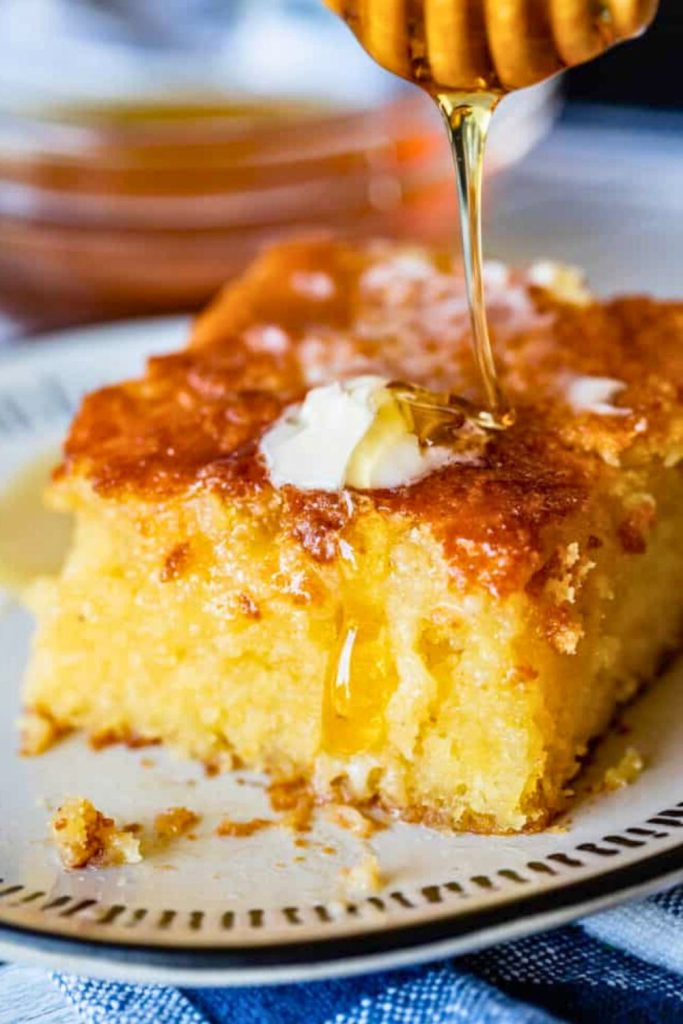
Cornbread is one of those sides that can adapt to nearly any meal. Whether you are making it for a holiday feast or a weeknight dinner, here are some reliable ways to enjoy it:
- With Chili. A traditional match. The sweetness of cornbread balances the heat of spicy chili.
- At barbecues: Pair it with smoked ribs, pulled pork, or brisket; the bread is excellent for catching every bit of sauce.
- For holiday dinners: Add cornbread to Thanksgiving or Christmas menus beside stuffing and mashed potatoes.
- For breakfast: Reheat a leftover slice, spread it with butter and honey, and serve it with coffee.
- With Soups and Stews. Cornbread is excellent for dunking into hearty dishes like chicken soup, beef stew, or gumbo.
- As Cornbread stuffing. Crumble it up, add herbs, broth, and vegetables, and bake it into a stuffing for roasted turkey or chicken.
- For a snack: A slice topped with butter, jam, or peanut butter is simple and satisfying.
Final Thoughts
Homemade cornbread remains a dependable comfort-food side. Its crisp crust, tender crumb, and warm corn flavor make it welcome at both weeknight meals and holiday tables.
Keep it lightly sweet, make it fully savory, or fold in additions such as cheddar and jalapeños—the base recipe adapts easily.
It is also quick and affordable. Once you preheat the pan and avoid overmixing, the homemade result is consistently better than a boxed mix.
Serve a fresh batch with chili, barbecue, or a holiday dinner whenever you want a warm, traditional side.
Skillet Cornbread
You’ll Also Love These Cozy Recipes
If you enjoyed this cornbread recipe, here are some other comforting dishes that pair beautifully with it, well suited to your holiday spread or chilly weeknights:
- 🥘 Cozy Green Bean Casserole Recipe for Holiday
This creamy, traditional side dish that’s a must-have for family dinners and holiday feasts. - 🍠 Sweet Potato Casserole Recipe for Thanksgiving
A Southern-inspired casserole topped with marshmallows, well suited to cozy fall and holiday gatherings. - 🥣 Crockpot Potato Soup Recipe for Chilly Fall Nights
This creamy, fully loaded potato soup that’s hearty enough to be dinner on its own.
Each of these recipes brings warmth and comfort to the table, and together with cornbread, they create a menu your family will ask for more than once.

Dana Brooks is a home-cooking writer at Feastbears, where she shares easy family recipes, cozy dinners, quick desserts, and beginner-friendly kitchen tips. Her goal is to make everyday cooking feel simple, warm, and enjoyable for busy home cooks.