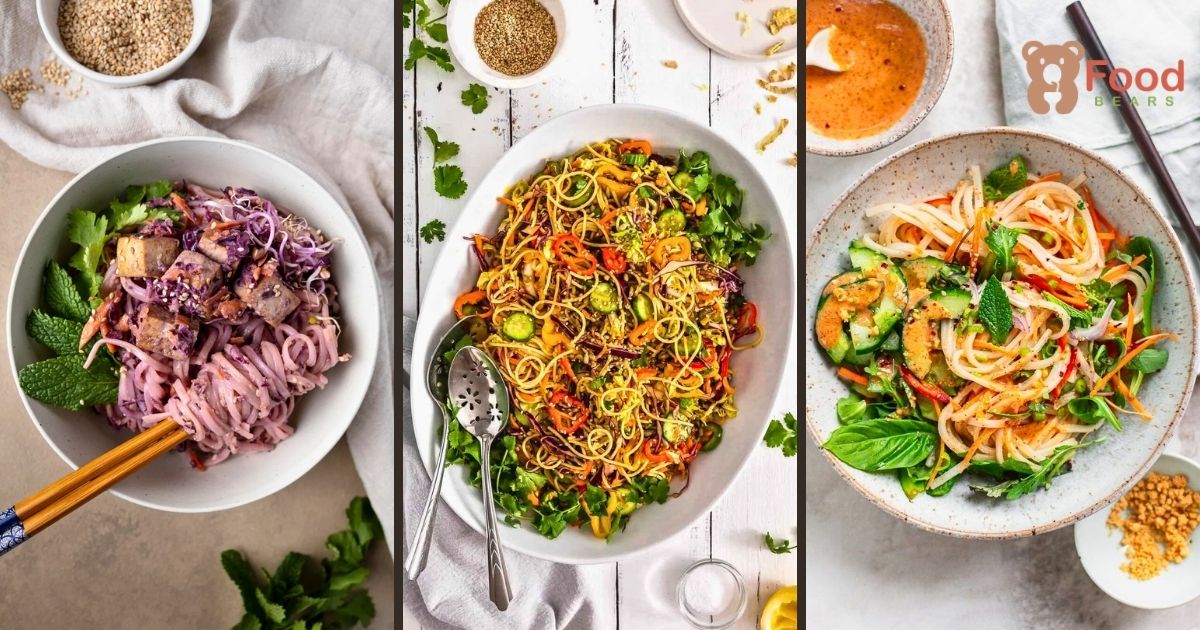
Cool noodles, fresh cabbage and cucumber, a savory ginger-sesame dressing, and peanuts make this original salad a strong choice for a warm-weather meal. The steps below retain the two ingredient tables and show how to keep the vegetables crisp.
The original uses oyster sauce, so it is not vegetarian as written. It also contains soy and peanuts, and wheat if made with spaghetti. Make substitutions deliberately for anyone with dietary restrictions.
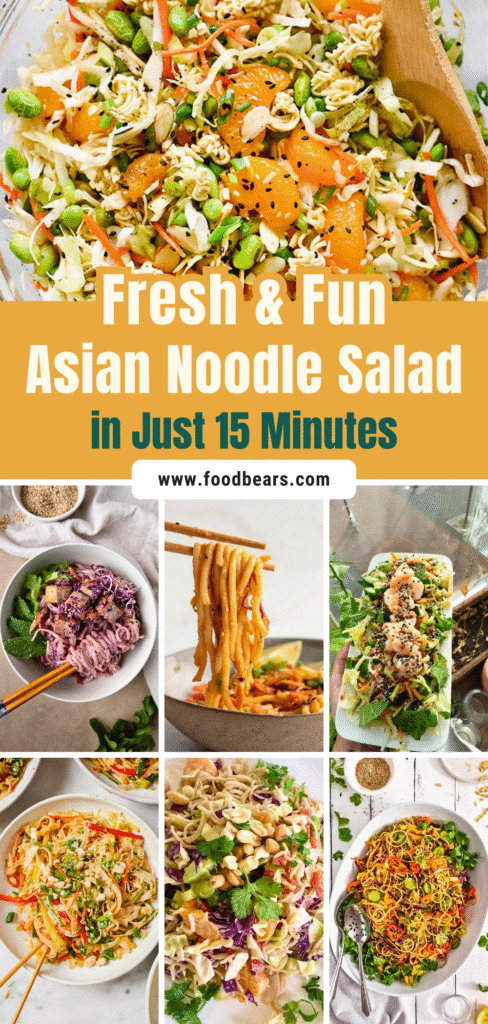
Why You’ll Love This Asian Noodle Salad

This noodle salad combines cool pasta, finely sliced vegetables, a soy-ginger dressing, fresh cilantro, and peanuts. The vegetables provide the crunch while the noodles make it substantial enough for lunch or a shared side dish.
Ingredients You’ll Need
The two tables below keep the original salad and dressing quantities separate. Set out the vegetables first, then measure the soy sauce, oyster sauce, vinegar, oils, ginger, garlic, and sweetener for the dressing. Oyster sauce usually contains shellfish, and the finished dish also contains soy, wheat if using spaghetti, and peanuts.
| Ingredient | Amount | Notes |
|---|---|---|
| Purple (Red) Cabbage | 1 cup, thinly sliced | Shredded very thin for best texture |
| English Cucumber | 1, seeded and sliced | Cut into half-moon (crescent) shapes |
| Kale | 1 cup, shaved | De-stemmed and sliced thinly |
| Sweet Mini Peppers | 1 cup, sliced | Cooled and tossed with a bit of oil to prevent sticking |
| Napa Cabbage | 1 cup, shredded | Adds light crunch and curl |
| Carrots | ¾ cup, shredded | Pre-shredded bag works fine too |
| Bean Sprouts | 1 cup | Fresh and rinsed |
| Scallions (Green Onions) | ½ cup, sliced | Use both green and white parts |
| Cooked Spaghetti or Noodles | 8 oz (about 2 cups cooked) | Cooled and tossed with a little oil to prevent sticking |
| Fresh Cilantro | ½ cup, chopped | Save a few leaves for garnish |
| Peanuts | ½ cup, roughly chopped | Adds crunch; roasted is ideal |
| Ingredient | Amount | Notes |
|---|---|---|
| Olive Oil | ½ cup | Neutral flavor; extra virgin works great too |
| Low Sodium Soy Sauce | ⅓ cup | Adjust salt level to taste |
| Oyster Sauce | ¼ cup | Thick, rich, slightly sweet flavor |
| Rice Wine Vinegar | ¼ cup | Or substitute white vinegar if needed |
| Toasted Sesame Oil | 2 tablespoons | Key for the nutty aroma |
| Fresh Ginger | 1 tablespoon, minced | Freshly minced for maximum zing |
| Garlic | 3 cloves, minced | Adds depth and savoriness |
| Brown Sugar (or Honey) | 3 tablespoons | Balances the savory and tangy flavors |
Asian Noodle Salad with Crunchy Vegetables
Step-by-Step: How to Make Asian Noodle Salad
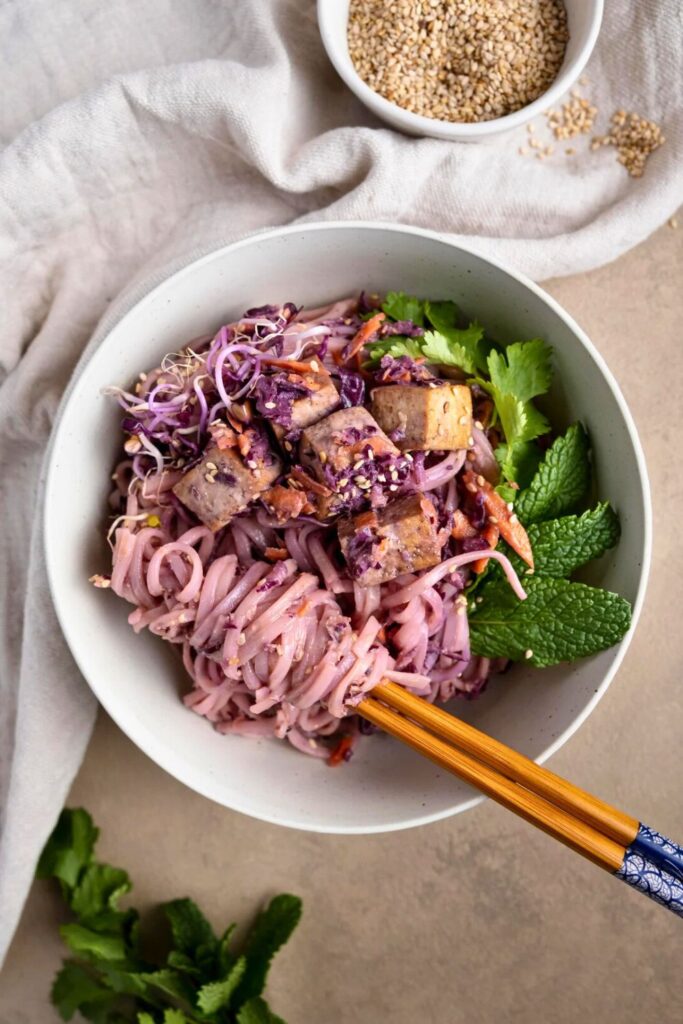
Work in a clear order: slice the vegetables, cook and cool the noodles, shake the dressing, then toss and garnish. Preparing the components separately keeps the vegetables crisp until serving.
1. Prepare the Vegetables
Shred the cabbages and kale finely, slice the cucumber and mini peppers, grate the carrots, and rinse the bean sprouts. Cut the scallions thinly. Similar-sized pieces mingle with the noodles more evenly and are easier to eat.
- Purple Cabbage: Slice the cabbage into thin shreds. The thinner the better — you want it almost delicate so it blends well with the noodles.
- English Cucumber: Cut it in half lengthwise, scoop out the seeds with a spoon, and slice it into thin crescent moons. This shape helps them mix in beautifully without getting watery.
- Kale: Strip the kale leaves from the tough stems. Stack a few leaves at a time, roll them up like a cigar, and then slice into ultra-thin ribbons. It keeps the texture light and not chewy.
- Sweet Mini Peppers: Cut off the tops, remove the seeds, and slice the peppers into thin rings. Use a mix of red, yellow, and orange ones to get that rainbow effect.
- Napa Cabbage: This one is softer than purple cabbage. Just slice it into fine strips so it adds a tender crunch.
- Carrots: Use a grater or buy pre-shredded carrots to save time. Their sweetness balances the salad perfectly.
- Bean Sprouts: Give them a quick rinse in cold water to keep them extra crisp.
- Scallions: Thinly slice the green onions, using both the green tops and white bottoms for a mild onion kick.
2. Cook the Noodles
Cook the noodles according to their package until tender but not soft. Drain, rinse under cold water, and drain thoroughly again. A small amount of oil can prevent sticking; avoid adding so much that the dressing will slide off.
- Boil a pot of water and cook your spaghetti (or your choice of noodles) according to the package instructions. You want them tender but still a little firm (al dente).
- Drain the noodles and immediately rinse them under cold water. This stops the cooking and cools them down fast.
- Toss them lightly with a teaspoon of olive oil. This helps prevent them from sticking together in a giant clump.
3. Make the Dressing
Combine olive oil, low-sodium soy sauce, oyster sauce, rice wine vinegar, sesame oil, ginger, garlic, and brown sugar or honey in a lidded jar. Shake until well mixed, then taste with a vegetable piece. Add vinegar or sweetness a little at a time if the balance needs adjusting.
- Pour in the olive oil (about ½ cup) as the base.
- Add the soy sauce (⅓ cup) for salty depth.
- Spoon in the oyster sauce (¼ cup) for a bit of richness and body.
- Splash in the rice wine vinegar (¼ cup) to bring the perfect tang.
- Drizzle toasted sesame oil (2 tablespoons) for that nutty, toasty aroma.
- Add the minced fresh ginger (about 1 tablespoon) and garlic (3 cloves) for spicy, aromatic notes.
- Scoop in 3 tablespoons of brown sugar or honey to balance the sweetness.
4. Assemble the Salad
Put the cooled noodles and prepared vegetables in a large bowl. Add some of the dressing and toss with tongs, then add more as needed rather than pouring everything in blindly. The goal is an even coating without a pool of sauce at the bottom.
- Grab your biggest mixing bowl – seriously, the largest one you have.
- Toss all your prepared veggies and cooked noodles into the bowl.
- Pour the dressing over the top.
- Using tongs or immaculate hands, gently but thoroughly toss everything. You want every strand of noodle and every piece of veggie coated with that amazing dressing.
5. Add the Final Touches
Fold in chopped cilantro and most of the peanuts after the salad is dressed. Reserve a little of each for the top. Adding the peanuts late keeps them crisp and gives each serving a fresh garnish.
- Sprinkle in the chopped cilantro. Its freshness brightens up every bite.
- Add the chopped peanuts for that glorious crunch.
- Give everything one final gentle toss to combine.
6. Serve and Enjoy
Serve right away for the most crunch, or chill briefly if you prefer a colder salad. Toss once more before plating because the dressing settles as it stands. Offer extra peanuts separately for those who can eat them.
Expert Tips for the Best Asian Noodle Salad
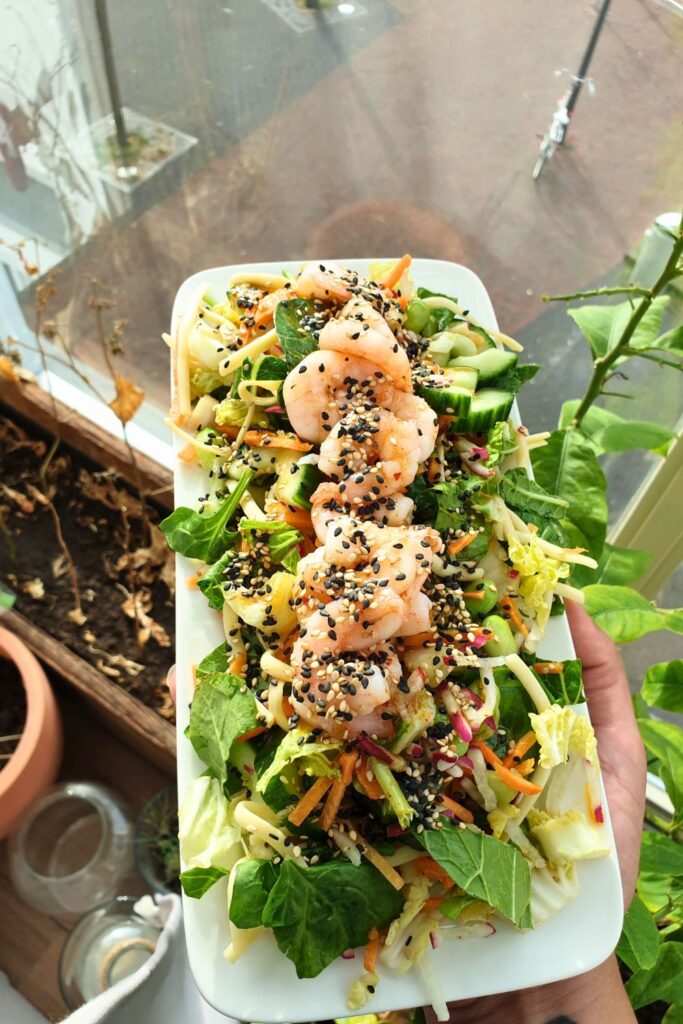
A few small choices make the difference between a bright noodle salad and a soggy one. Keep the noodles cool and dry, slice the vegetables consistently, and save the most delicate toppings for the end.
1. Slice Veggies Super Thin
Thin slices mix more evenly with the noodles than large chunks. Shred the cabbage and kale especially finely so they feel tender rather than bulky.
2. Use Cold Noodles
Warm noodles soften the vegetables and absorb dressing unevenly. Rinse and drain them after cooking, then let them cool before mixing the bowl.
3. Balance Noodles and Veggies
Use the original eight ounces of noodles as a base and let the vegetables remain a generous part of the salad. This keeps the dish colorful and gives it its intended crunchy character.
4. Shake Your Dressing, Don’t Whisk
A lidded jar helps combine the oil, soy, vinegar, and aromatics quickly. Shake again just before using, since the dressing can separate while the vegetables are being prepared.
5. Make it Ahead — But Dress It Later
For a make-ahead meal, refrigerate the noodles, vegetables, and dressing separately. Toss shortly before serving, then add cilantro and peanuts. Rinsed sprouts are particularly perishable, so keep them well chilled.
6. Add Crunch at the Last Minute
The peanuts are a finishing ingredient, not something to leave soaking in dressing. Set them out separately if any guest has a peanut allergy; avoid cross-contact throughout preparation.
7. Customize Like a Pro
Choose noodles you like, but account for how the substitution changes allergens and texture. Rice noodles can replace wheat pasta. For a vegetarian or vegan version, replace the original oyster sauce with a suitable mushroom-based alternative and use sugar rather than honey if needed.
- Want more protein? Add grilled chicken, shrimp, or baked tofu.
- Prefer it spicy? Toss in a few sliced Thai chilies or a squirt of sriracha.
- Going vegan? Skip the oyster sauce and double the soy sauce or add a little hoisin.
Serving Suggestions
This is easy to serve in one large bowl or divide among individual plates. Decide whether it is a side or a main, then adjust the portion and any added protein accordingly.
1. Family-Style Platter
Pile the salad on a wide platter and scatter the reserved cilantro and peanuts over it. A broad dish makes the colors visible and lets guests serve themselves without crushing the vegetables.
2. Individual Salad Bowls
For individual bowls, divide the noodles and vegetables evenly before garnishing. Keep a little extra dressing on the table so each person can adjust their serving.
3. Meal Prep Lunchboxes
Pack the dressing and peanuts separately for lunches. Toss the salad and add the crunch just before eating, and keep it cold during transport.
4. Fresh & Light Dinner Pairing
Pair a smaller portion with grilled tofu, chicken, or another simply seasoned main. The soy-ginger dressing is already assertive, so the second dish can stay uncomplicated.
- Grilled Chicken Satay
- Teriyaki Salmon
- Crispy Tofu Cubes
- Beef Bulgogi Skewers
5. Party or Potluck Star
For a potluck, transport the components chilled and combine them on site when practical. This protects the texture and helps keep the salad at a safe temperature.
Final Thoughts: The Salad You’ll Want Again and Again
The original contrast of cool noodles, crisp vegetables, savory-tangy dressing, and crunchy peanuts is the reason this salad works. Keep those elements distinct until serving and adjust the dressing to taste.
You Might Also Love:
If you are planning a summer menu, the linked collections below offer more sides, salads, and easy meals to serve with this bowl.
- 👉 30 Easy Summer Side Dishes for Millennials
- 👉 30 Best Summer Salad Recipes for Moms
- 👉 20 Summer Meals That’ll Keep You Cool, Satisfied, and Inspired
Dana Brooks is a home-cooking writer at Feastbears, where she shares easy family recipes, cozy dinners, quick desserts, and beginner-friendly kitchen tips. Her goal is to make everyday cooking feel simple, warm, and enjoyable for busy home cooks.