
Homemade vegetable soup begins with a generous pot of produce simmering in seasoned broth. Each bowl offers warmth, texture, and nourishing ingredients.
Use it for a quick weeknight dinner, a relaxed weekend meal, or a make-ahead lunch.
Fresh, frozen, and pantry vegetables all fit the recipe, making it useful throughout the year without feeling overly heavy.
This guide follows an uncomplicated vegetable soup method for both new and experienced cooks.
You will find the original steps, substitutions, cooking notes, and serving ideas.
Why You’ll Love This Vegetable Soup
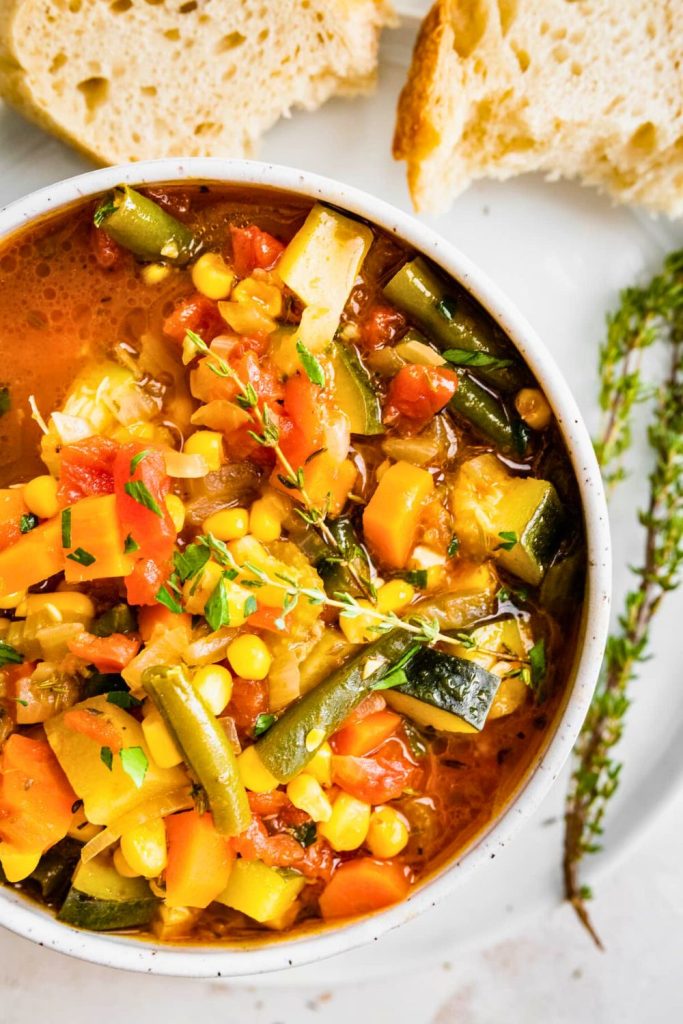
This version combines straightforward preparation with a flexible ingredient list and layered flavor.
These details make it a recipe worth repeating:
- Endlessly Customizable: This soup is one of the most forgiving recipes you will ever try. Missing carrots? Swap in parsnips or sweet potatoes. Do not like green beans? Use kale or zucchini instead. The goal is to use what’s fresh, available, and appealing to you.
- Consider nutrient-Packed & Wholesome: With a variety of vegetables like carrots, celery, potatoes, green beans, and corn, each bowl is loaded with vitamins, fiber, and antioxidants that support overall wellness.
- Perfectly Balanced Comfort: It is hearty enough to fill you up but light enough that you do not feel weighed down. Think “cozy sweater weather food” without the post-meal nap.
- Year-Round Appeal: This goes beyond a winter soup. You can make it lighter with spring and summer veggies, or keep it rich and warming for fall and winter.
- Consider simple Steps, Big Flavor: From caramelized onions to fresh herbs and a splash of tangy diced tomatoes, every step adds layers of flavor that make each spoonful better than the last.
- Great for Make-Ahead Meals: The seasoning becomes rounded as it sits, making it well suited to meal prep. It reheats beautifully and even freezes well for those busy nights.
A familiar pot of vegetable soup carries a sense of home while providing a warm meal that reheats easily.
Ingredients You’ll Need
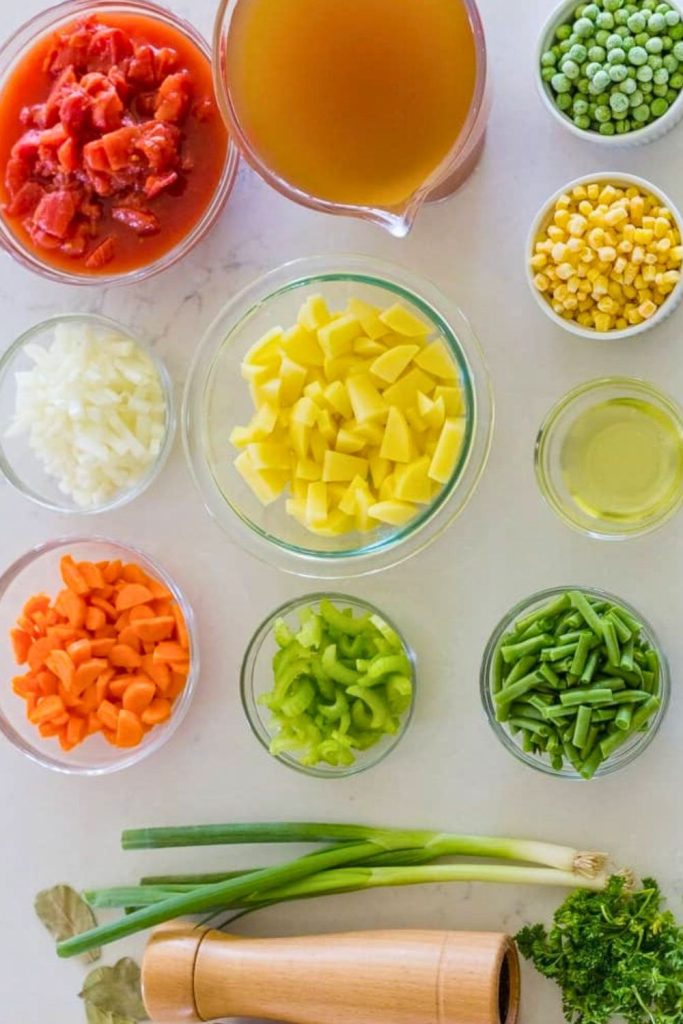
The table preserves the original recipe while explaining amounts, alternatives, and each vegetable’s role.
| Ingredient | Amount | Notes / Substitutions |
|---|---|---|
| Olive oil | 3 tablespoons | Use for sautéing the aromatics; avocado oil is a neutral substitute. |
| Onion | 2 medium, chopped | Ingredient note: Use yellow, white, or sweet onions; smaller bite-size pieces work best. |
| Garlic | 6 cloves, minced | Ingredient note: Finely chop if texture is an issue; it will cook down and blend into the soup. |
| Carrots | 3 medium, sliced | Ingredient note: Cut into thick “moons” to keep texture; no need to peel if well washed. |
| Celery | 3 stalks, chopped | Ingredient note: Finely chop if texture is an issue; will cook down and blend into soup. |
| Potatoes | 3 medium, diced | Ingredient note: Yukon Gold or red potatoes hold shape; avoid russet for this soup. |
| Thyme (fresh) | 1 tablespoon, minced | Ingredient note: Can substitute dill, rosemary, or dried thyme (reduce to 1 tsp). |
| Diced tomatoes | 2 cans (14 oz each) | Ingredient note: Include liquid; use fire-roasted for extra flavor. |
| Green beans (fresh) | 2 cups, trimmed & chopped | Ingredient note: Frozen works too; avoid canned for best texture. |
| Vegetable stock | 6 cups | Ingredient note: Use chicken stock if not vegetarian; adjust salt accordingly. |
| Corn (frozen) | 1 ½ cups | Ingredient note: Adds sweetness; fresh corn can be used in summer. |
| Bay leaves | 2 | Remove before serving. |
| Salt & pepper | To taste | Adjust after tasting at the end of cooking. |
| Parsley (fresh) | ¼ cup, chopped | Adds fresh flavor at the end. |
| Peas (frozen) | 1 ½ cups | Ingredient note: Add at the end for color and texture; fresh peas can be mushy. |
Optional additions include:
- Consider chickpeas (garbanzo beans): For added protein.
- Pearl barley: Adds a silky, filling texture.
- Kale or spinach: Mix in at the end for more nutrients.
- Pesto or harissa: For a flavor boost.
Step-by-Step: How to Make Vegetable Soup

1. Gather & Prep Your Veggies
Treat this recipe as a practical way to use fresh vegetables. Take inventory before heating the stove.
Here’s how I approach it:
- Consider pull out onions, garlic, carrots, celery, potatoes, and any other vegetables you might like (such as green beans, zucchini, or kale).
- Consider keep in mind that this recipe is forgiving, you can easily swap ingredients based on what’s in season or what needs to be used up.
If you are short on time, there’s no shame in using store-bought mirepoix, a pre-chopped mix of onions, carrots, and celery sold in little containers at most grocery stores. It is a great way to shave 10 minutes off prep.
A few preparation details make the process easier:
- Consider chop onions into small, bite-sized pieces so they blend well into the soup.
- Consider use fresh garlic, not jarred or pre-minced. The flavor difference is enormous. Fresh garlic has a vibrant, slightly sweet punch, while jarred garlic can taste flat and processed.
- Consider smash garlic cloves before chopping to release their natural oils—this step boosts the depth of flavor.
- Consider slice carrots into thicker moons so they keep their texture. If you cut them too thin, they’ll melt into the broth.
- Consider for celery, chop it extra fine if you dislike the stringy texture, it will melt away as the soup cooks.
At this stage, you are not aiming for perfect knife work, just consistent sizes, so everything cooks evenly.
2. Heat the Oil & Sauté the Aromatics
Grab your largest pot or Dutch oven, the kind that can handle a big batch of soup. Heat 3 tablespoons of olive oil over medium-high heat. You will know it is ready when the oil shimmers and moves like water in the pan.
After the oil is hot, add the chopped onions. That satisfying sizzle tells you you are on the right track. Use a wooden spoon to stir occasionally, letting the onions soften and turn translucent. This should take about 8–10 minutes. Do not rush it. This step builds the foundation of flavor.
Look for these signs:
- Consider the onions should begin to brown slightly, which adds a subtle sweetness.
- Keep the heat steady, you do not want burnt bits at this stage.
For consistent results, after the onions have started softening, add the garlic, carrots, and celery. Stir them in and cook for another 4–5 minutes.
Keep in mind: the goal here is to gently soften the vegetables while allowing their natural flavors to bloom in the hot oil.
Helpful tip: If the garlic starts browning too quickly, lower the heat—burnt garlic can make your soup bitter. A little caramelization is good; it deepens the flavor.
3. Add the Potatoes & Herbs
For consistent results, while your aromatics are working in the pot, you can peel (if desired) and dice the potatoes into small, bite-sized cubes. The recipe details recommends avoiding russet potatoes because they tend to be powdery and break apart in broth.
Keep in mind: instead, go for Yukon Gold or red potatoes; they have a thin skin and hold their shape beautifully.
Stir the potatoes into the pot along with your fresh thyme. If you do not have thyme, fresh dill, parsley, or rosemary will also work. Herbs add a fragrant, savory backbone to the soup that balances the sweetness of the vegetables.
Keep these herb details in mind:
- Consider use about 1 tablespoon of fresh thyme, minced.
- Consider fresh herbs should be added early so they can infuse the soup during cooking.
For consistent results, this is also the point where you can get creative, add a pinch of chili flakes for gentle heat, or toss in a bay leaf early for a subtle herbal depth.
4. Add Tomatoes & Simmer
Time for a splash of acidity. Add two 14-ounce cans of diced tomatoes —liquid and all. Do not drain them. That juice is going to meld into the broth, giving it a tangy, slightly sweet undertone.
Keep these tomato notes in mind:
- Consider let the tomatoes simmer with the vegetables for about 8–10 minutes, stirring occasionally.
- Consider this step helps reduce some of the liquid and concentrates the tomato flavor.
- Consider fire-roasted diced tomatoes are an excellent choice for a smokier depth.
Keep in mind: as this simmers, you can prep your next set of vegetables, trim and chop the fresh green beans into bite-sized lengths.
For consistent results, if using frozen green beans, you can skip trimming entirely. Avoid canned green beans for this recipe, they tend to have a mushy texture that doesn’t hold up in soup.
5. Add Stock & Remaining Vegetables
With your tomatoes simmered down, it is time to transform the pot into a proper soup. Add 6 cups of vegetable stock.
If you are not strictly vegetarian, chicken stock works too, but veggie stock keeps the flavor pure and lets the vegetables shine.
Add in:
- Potatoes (if you haven’t already)
- Green beans
- 1 ½ cups frozen corn
- 2 bay leaves
Keep in mind: season generously with salt and pepper. The cooking method suggests starting with 1 teaspoon salt, then tasting later—you can always add more, but you can’t take it out.
Turn the heat to high until the soup reaches a gentle boil, then reduce to medium-low and partially cover. Allow it to simmer until the potatoes are tender, this can take anywhere from 10 to 30 minutes, depending on the size of your potato cubes.
Use these timing cues:
- Check in 10-minute intervals for doneness.
- This simmer time is also when the flavors begin blending, so do not rush it.
6. Final Touches
After the potatoes are fork-tender, it is time for the last flavor and color boosts. Mix in:
- Consider 1 ½ cups frozen peas (or fresh, but frozen are often sweeter and more reliable)
- Consider ¼ cup chopped fresh parsley for a bright, herbal finish
For consistent results, the peas only need a few minutes to heat through; they’ll keep their vibrant green color if added at the end.
Keep these final notes in mind:
- Consider frozen peas are flash-frozen at peak freshness, so they retain better flavor than many fresh peas that have been transported long distances.
- If you are feeling creative, you can swirl in pesto for freshness, add romesco sauce for nuttiness, or stir in harissa for gentle spice.
For consistent results, at this point, remove the bay leaves; they’ve done their job flavoring the broth.
7. Serve & Enjoy
For consistent results, ladle the soup into bowls, making sure each serving has a good mix of vegetables. Pair it with crusty bread, a grilled cheese sandwich, or even a simple green salad.
The recipe details makes it clear: this soup is more than delicious—it is deeply comforting. It is light enough to keep you energized, yet hearty enough to satisfy your hunger.
If you are cooking ahead, store leftovers in the fridge for up to 5 days —the flavors will deepen overnight. Or freeze portions for up to 3 months for quick weeknight dinners.
Serving Suggestions

For consistent results, vegetable soup is a chameleon in the food world. It can be a light starter, a hearty main course, or a comforting side dish.
Keep in mind: the key is pairing it with the right accompaniments to turn your meal into something truly satisfying. Here are some delicious ways to serve it:
- Crusty Bread or Garlic Bread. A thick slice of warm, crusty artisan bread is well suited to soaking up the flavorful broth. For extra indulgence, brush the bread with olive oil or butter, sprinkle with garlic powder, and toast until golden.
- Consider grilled Cheese Sandwich. Nothing beats the classic combo of soup and grilled cheese. Use sharp cheddar, mozzarella, or even a slice of brie for a more gourmet pairing. The creamy, melted cheese contrasts beautifully with the fresh, light flavors of the soup.
- Consider fresh Green Salad. Keep it simple with mixed greens, cherry tomatoes, cucumber, and a light vinaigrette. This adds a crisp freshness that complements the warm soup.
- Consider cooked grains. Pour your vegetable soup over a small scoop of cooked quinoa, rice, or barley for an extra hearty, filling twist.
- Consider with a Side of Protein. If you want to make it more substantial for dinner, serve it alongside baked chicken, roasted fish, or grilled tofu.
- Finish the Bowls
- Freshly grated parmesan or pecorino cheese for a savory finish.
- Consider a swirl of pesto for an herbal, garlicky punch.
- Consider a drizzle of good-quality olive oil for a silky mouthfeel.
5 Tips for the Best Vegetable Soup

Keep in mind: drawing from the subtitle cooking process, these tips will ensure your vegetable soup is as flavorful, comforting, and visually appealing as possible.
- Consider start with a Flavor Base. Take your time with the onions, garlic, and other aromatics. Sautéing until golden releases natural sugars and creates a deeper, more decadent broth. Rushing this step means a flatter-tasting soup.
- Cut Vegetables Evenly. Uniform chopping ensures all vegetables cook at the same pace. You do not want mushy carrots and undercooked potatoes in the same spoonful.
- Consider avoid Overcooking Delicate Veggies. Add peas, spinach, kale, or other tender vegetables toward the end of cooking. This keeps their color vibrant and texture pleasant.
- Consider season in Layers. Salt a little as you go, especially after adding new ingredients. This helps flavors develop naturally instead of tasting flat or overly salty at the end.
- Consider customize with Herbs and Finishes. Fresh thyme, parsley, or dill can change the flavor profile altogether. Adding them at different stages (early for depth, late for brightness) gives you more control over the taste.
Ingredient Substitutions & Variations
For consistent results, this table makes it easy to swap ingredients based on what you have at home, dietary needs, or flavor preferences, while keeping the soup delicious.
| Original Ingredient | Substitution | Effect on Flavor/Texture |
|---|---|---|
| Olive oil | Avocado oil, butter | Olive oil gives a fruity note; avocado oil is neutral; butter brings extra body. |
| Onion | Shallots, leeks | Ingredient note: Shallots are sweeter; leeks have a mild, earthy flavor. |
| Garlic | Garlic powder (½ tsp per clove) | Ingredient note: Milder garlic flavor without the bite of fresh. |
| Carrots | Parsnips, sweet potatoes | Ingredient note: Parsnips are earthy-sweet; sweet potatoes add creaminess. |
| Celery | Fennel, extra carrots | Ingredient note: Fennel adds a light anise flavor; carrots keep it sweet. |
| Potatoes (Yukon Gold) | Red potatoes, sweet potatoes | Ingredient note: Red potatoes hold shape well; sweet potatoes are softer and sweeter. |
| Thyme | Rosemary, dill, Italian seasoning | Ingredient note: Crushed gives a smoother texture; fresh ones are lighter. |
| Diced tomatoes | Crushed tomatoes, fresh chopped tomatoes | Ingredient note: Spinach wilts quickly; chard has a mild, earthy taste. |
| Green beans | Zucchini, broccoli florets | Ingredient note: Zucchini softens quickly; broccoli adds a mild bitterness. |
| Vegetable stock | Chicken stock, mushroom broth | Chicken builds deeper flavor; mushroom broth gives an umami punch. |
| Corn (frozen) | Fresh corn, canned corn (drained) | Ingredient note: Fresh is crispest; canned is softer but sweeter. |
| Bay leaves | Oregano, basil (added late) | Ingredient note: Oregano is earthy; basil gives a sweet-herbal aroma. |
| Parsley | Cilantro, basil | Cilantro adds brightness; basil contributes gentle sweetness. |
| Peas (frozen) | Edamame, chopped asparagus | Ingredient note: Edamame adds protein; asparagus is fresh and tender. |
| Chickpeas | Cannellini beans, lentils | Cannellini are creamy; lentils add more bite. |
| Pearl barley | Brown rice, farro | Ingredient note: Brown rice is chewier; farro is nutty and hearty. |
| Kale | Spinach, Swiss chard | Ingredient note: Spinach wilts quickly; chard has a mild earthy taste. |
| Pesto | Harissa, romesco | Ingredient note: Harissa adds spice; romesco is nutty and smoky. |
Final Thoughts
Homemade vegetable soup remains useful because it is comforting, nourishing, and easy to adjust.
Build an aromatic base, add vegetables in the order they cook, and finish with fresh herbs.
Homemade Vegetable Soup

Keep the Comfort Going with These Recipes
Continue the comfort-food menu with one of these linked recipes:
- Quick & Creamy Corn Chowder Recipe for Dinners – Sweet corn, potatoes, and creamy broth make a rich meal.
- Classic Comfort Cabbage Roll Soup Recipe – Beef, cabbage, tomatoes, and rice provide familiar flavor in one pot.
- Hearty 30-Min Taco Soup Recipe for Busy Families – Beef, beans, corn, and warm spices create a bold soup.

Dana Brooks is a home-cooking writer at Feastbears, where she shares easy family recipes, cozy dinners, quick desserts, and beginner-friendly kitchen tips. Her goal is to make everyday cooking feel simple, warm, and enjoyable for busy home cooks.